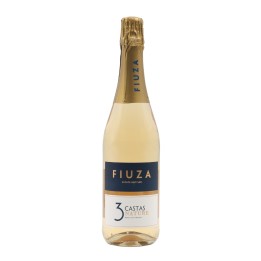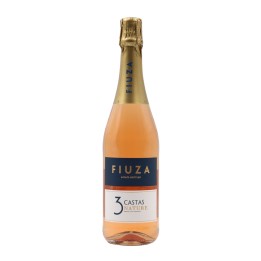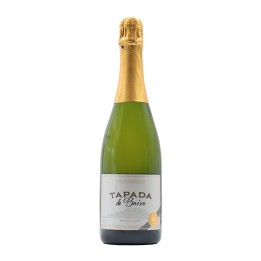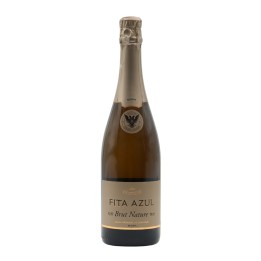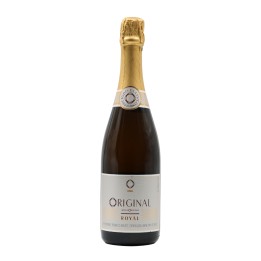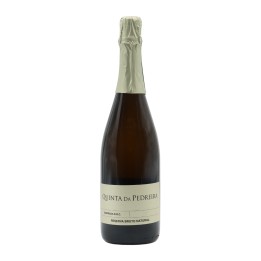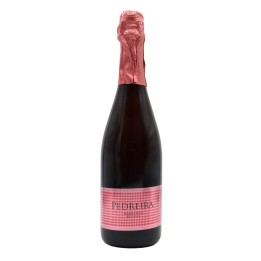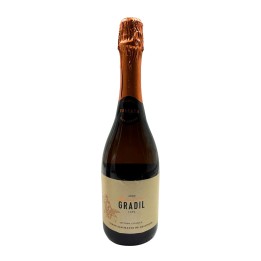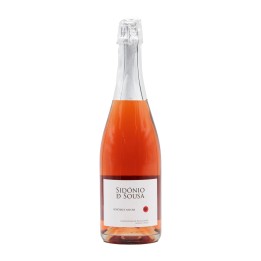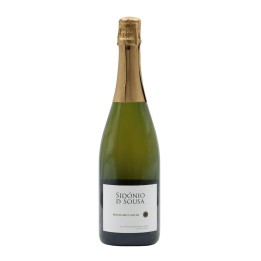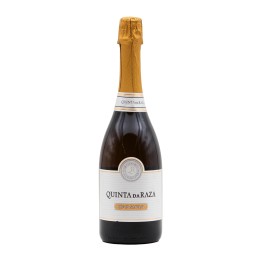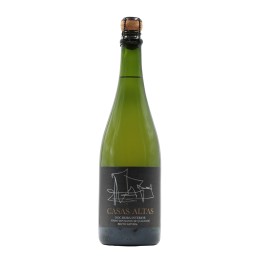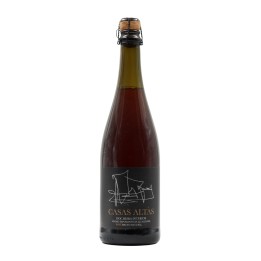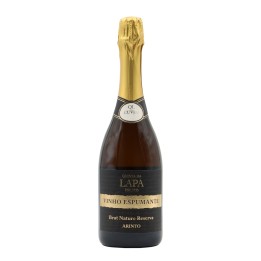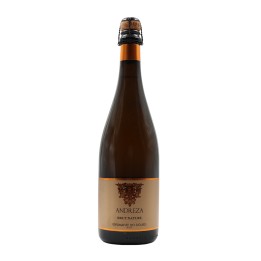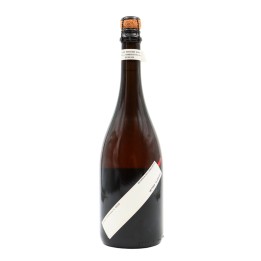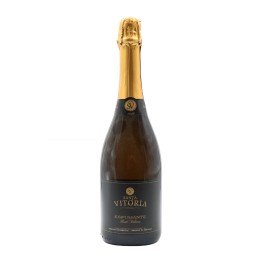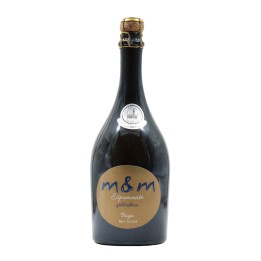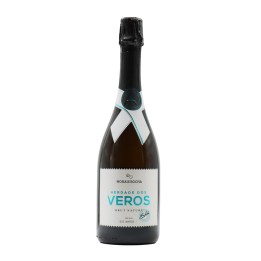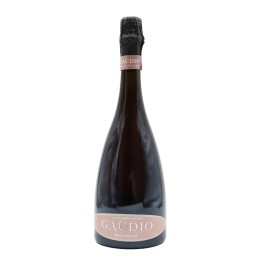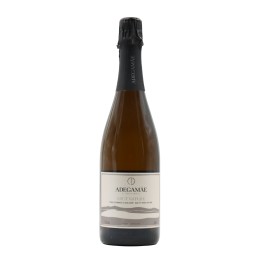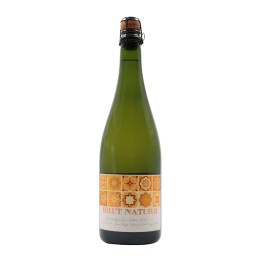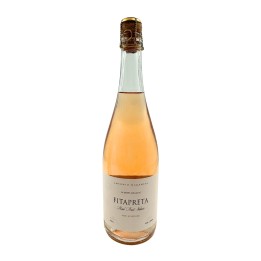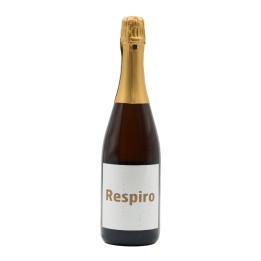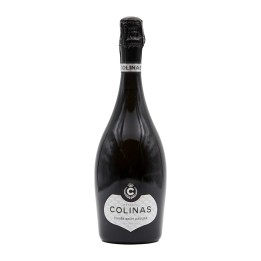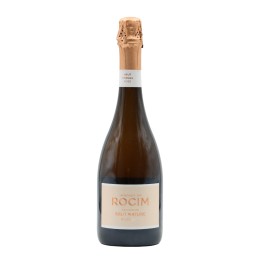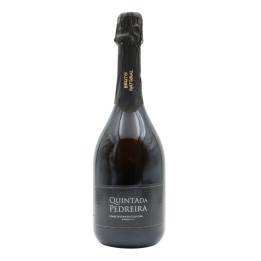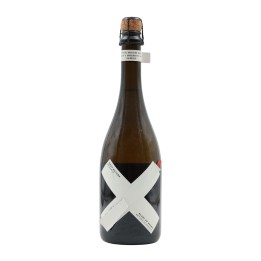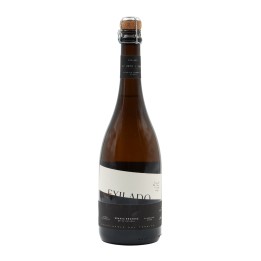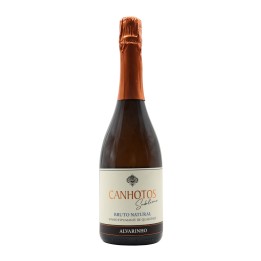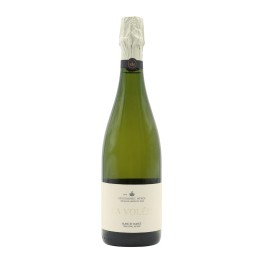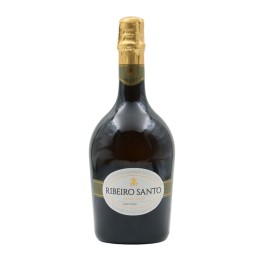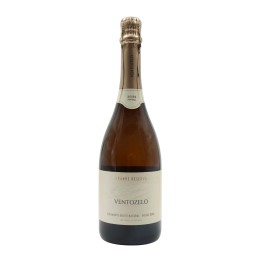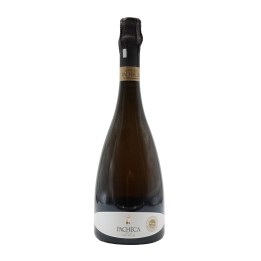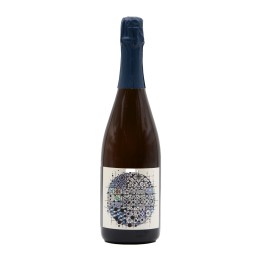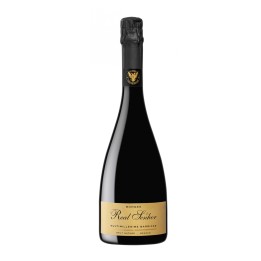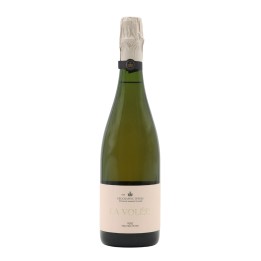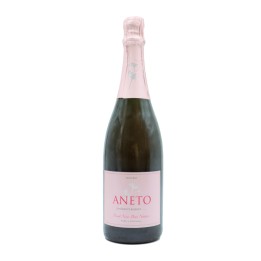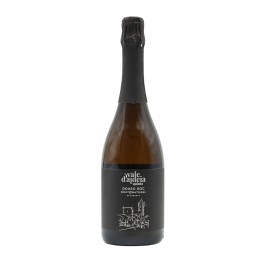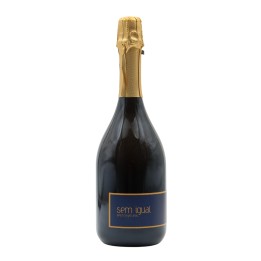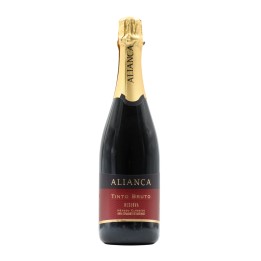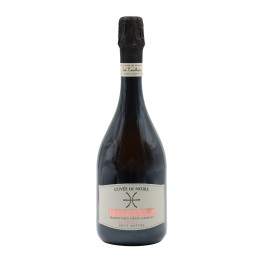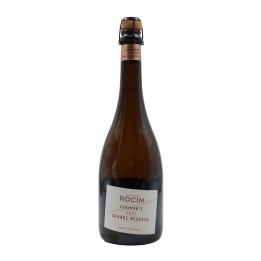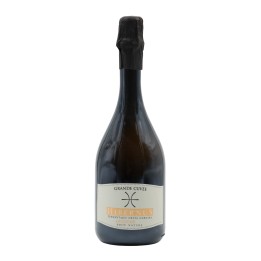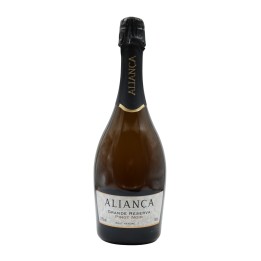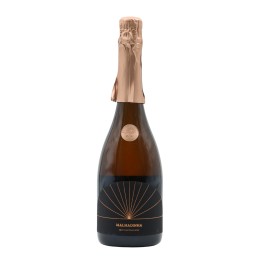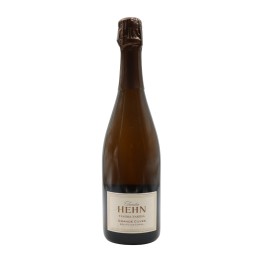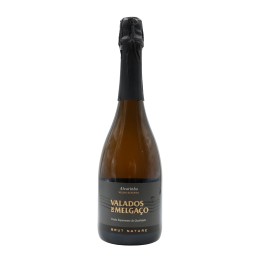

There are many types of sparkling wines. You can choose by color, whether it's a white, rosé or red, or even a white made from red graps. You can prefer sparkling wines produced by the traditional or Champenoise method, by the Charmat method, by the ancestral method, the Pet Nat, or the simplest, a frizzante, a wine with the addition of gas, without having to wait for natural gasification, which obviously takes a long time in the cellar.
Finally, we can select our sparkling wine of choice by the amount of residual sugar, and in this case we have sweet, semi-sweet, semi-dry, dry or brut, extra brut and finally, brut nature, which in practice is a sparkling wine without any added sugar and which has levels of sugar between 0 and 3g per liter.
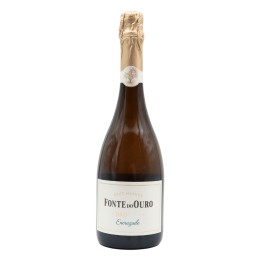
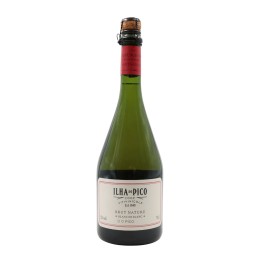
The Brut Nature or pas dosé, are sparkling wines produced using the Champenoise method, the same method used in the Champagne region. After fermentation, the grapes undergo a second fermentation in the bottle, where the bubbles are formed. During this second fermentation, the amount of sugar added is minimal or non-existent, which contributes to the sparkling wine's dry profile.
These are extremely gastronomic sparkling wines, more suited to accompany fish and seafood, and are obviously not suitable for desserts, where the level of sweetness calls for a sweet or semi-sweet sparkling wine.
These Brut Nature sparkling wines are the new trend, both because of their low residual sugar, at a time when we have realized that sugar is present in practically all our food and that too much of it is poison for the body, and because being a lightly carbonated wine and highly gastronomic in its drier variants, the Brut, it goes perfectly with all kinds of food from all cultures, from sweeter to spicier styles of food.
Because it's a very versatile and light wine but still very gastronomic, these Brut Nature Sparklings are undoubtedly what you'll want to have on your table. Check our selection of what you should go for.