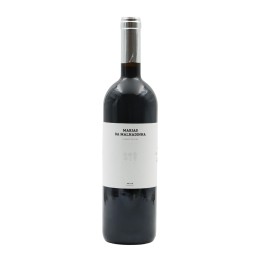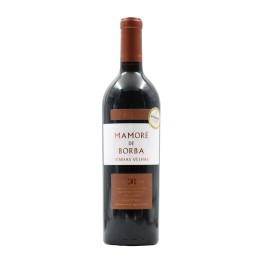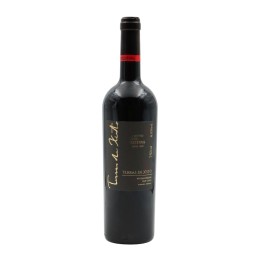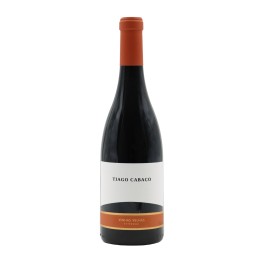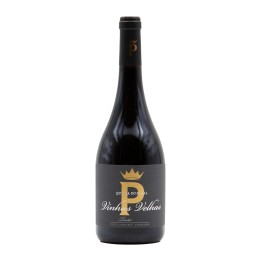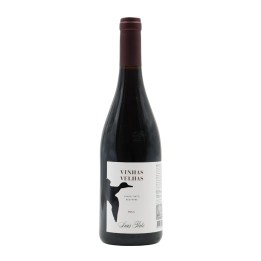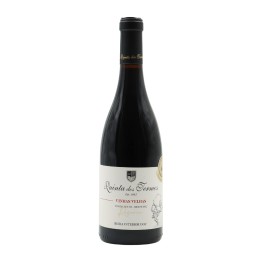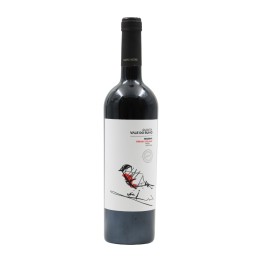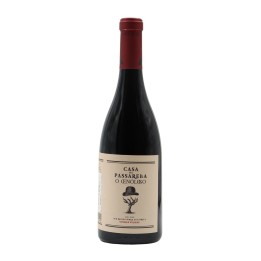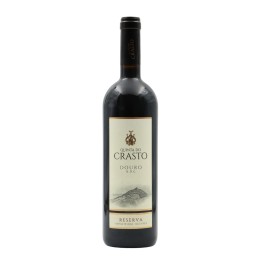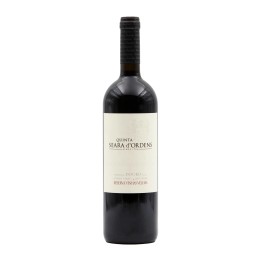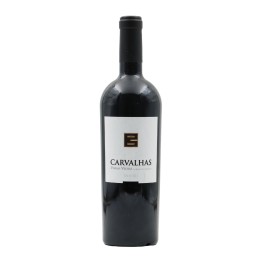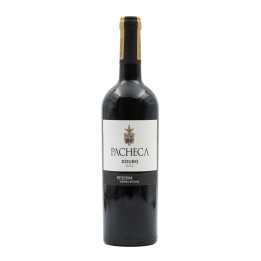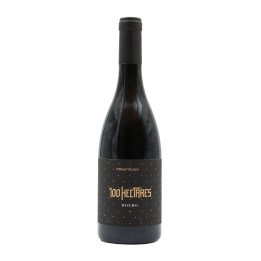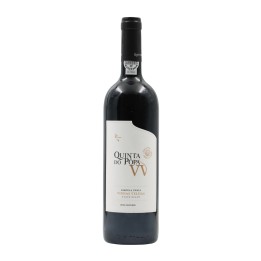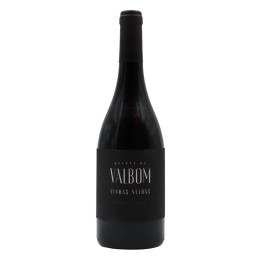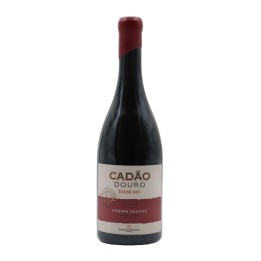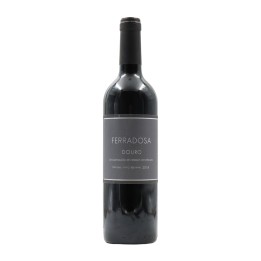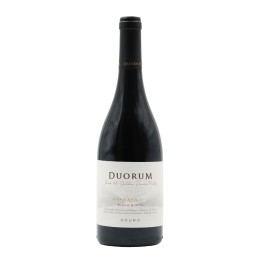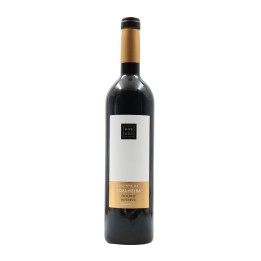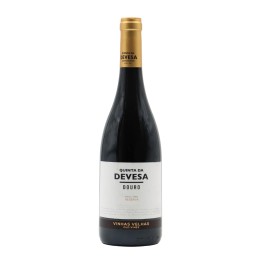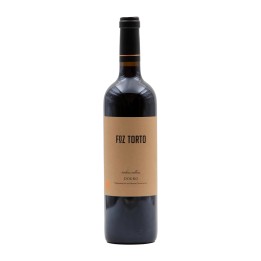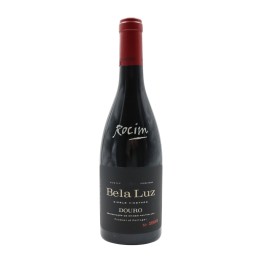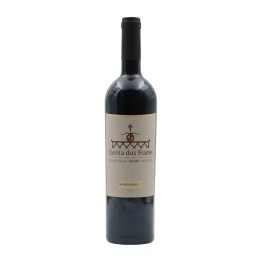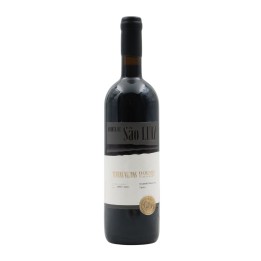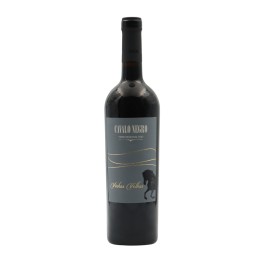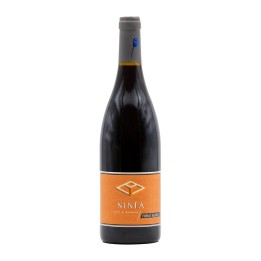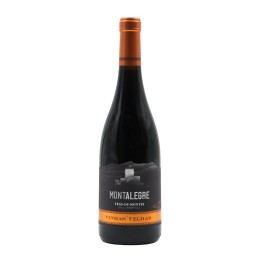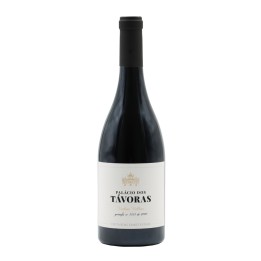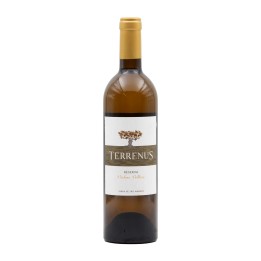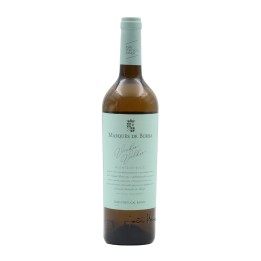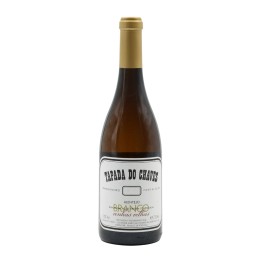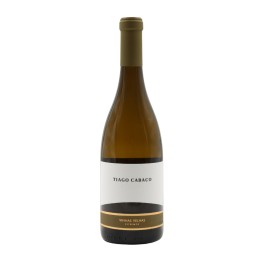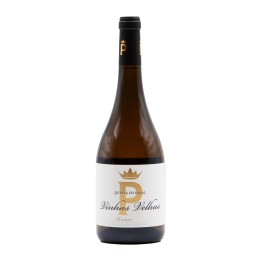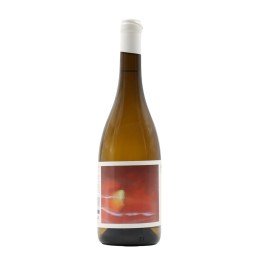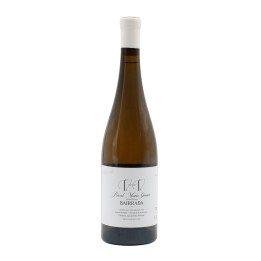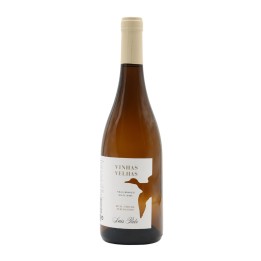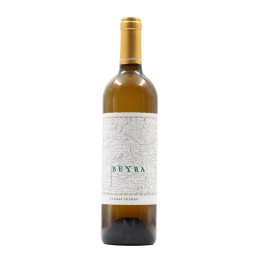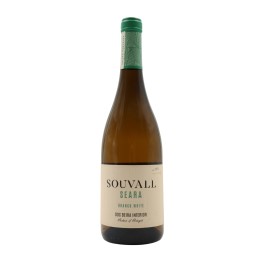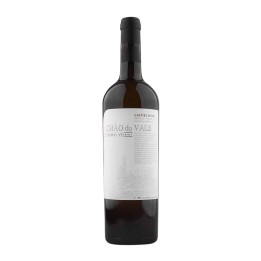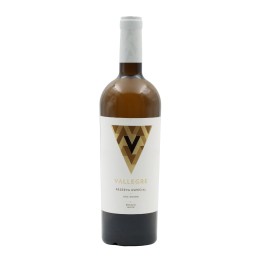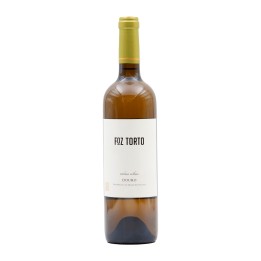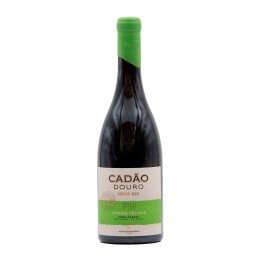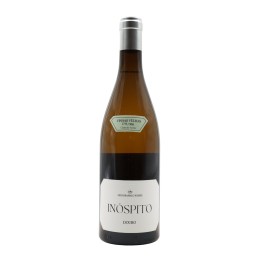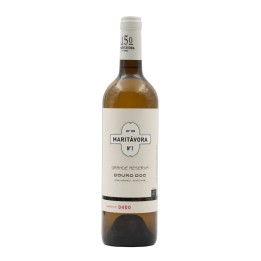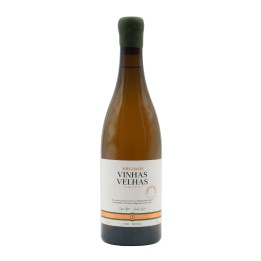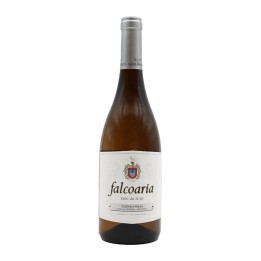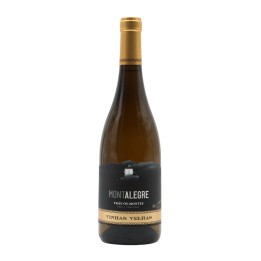
The designation ‘old vines’, which can now be found on many bottle labels, indicates a wine that has been produced from vines of an unusual age. This longevity gives the grape a distinctive profile, often resulting in a wine of superior quality.
However, it's not simply because these vines are so old that they can produce exceptional wines. For this to happen, the vines need to be healthy, well adapted to the climate and soil in which they are planted and predominantly comprise grape varieties of high oenological value.
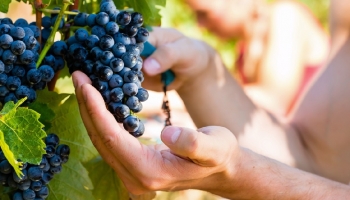
Another distinguishing feature of old vines is the diversity of grape varieties they represent. These vineyards are generally made up of the indigenous or oldest grape varieties of a given region, often mixing white and red grape varieties in the same perimeter.
Given Portugal's long wine-growing tradition, it is still possible to find a valuable heritage of old vines spread across the various producing regions, which have managed to preserve many rare grape varieties whose origins are lost in time.
In Portugal, the definition of old vines varies from region to region, and the Douro region was the first to take a significant step towards organizing and valuing this wine heritage.
As this is the region where it is easiest to find wines produced from old vines, the Douro and Porto Wine Institute (IVDP) has defined a set of rules that producers must fulfil in order to be able to use this designation on their labels: the vineyard must be over 40 years old, have a minimum of 4 grape varieties and have a minimum of 5,000 vines per hectare.
In other regions, the definition of old vines is linked to the average age of the vineyard, where for example in the Alentejo, an old vineyard must be between 50 and 70 years old.
As Portugal is a country rich in the genetic heritage of grape varieties and with a long history of wine production, it is likely that the wine commissions will regulate the use of the term old vines, as was done in the Douro.
Until then, we have full confidence in the producers when it comes to using the term ‘old vines’ in their wines and, above all, we are sure of the quality of the wines that bear this title.
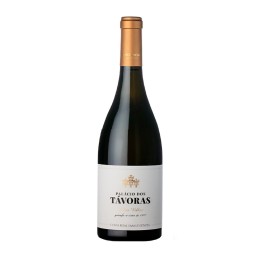
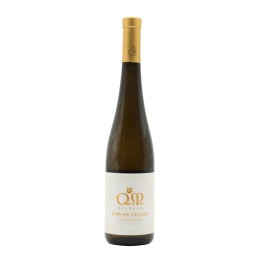
Proof of this, is our selection of the best white and red wines from old vines. In this selection, which includes practically every region, you'll be able to understand this type of wine and the history behind each region.