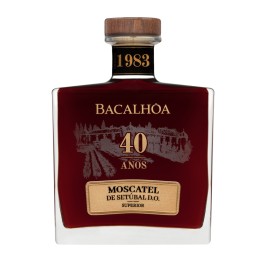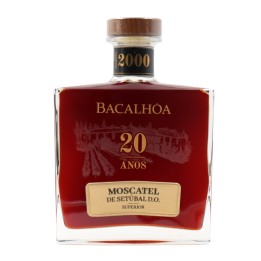
To the south of the River Tejo and bordering the Atlantic Ocean is the Setúbal region, which has always been associated with the famous fortified Moscatel wines and the Castelão red variety.
It's a region dominated by four major operators, José Maria da Fonseca, Bacalhôa, Casa Ermelinda Freitas and the Adega de Pegões.
While other regions are the most famous in Portugal, this is perhaps the one that sells the most wines for everyday consumption, due to the combination of two decisive factors: the quality-price ratio.
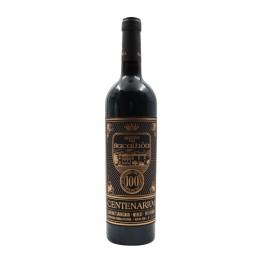
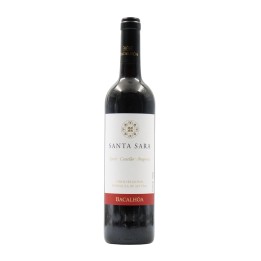
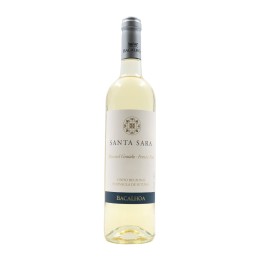
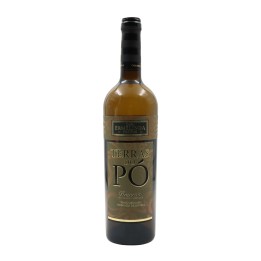
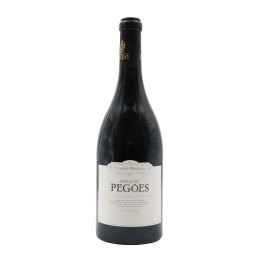
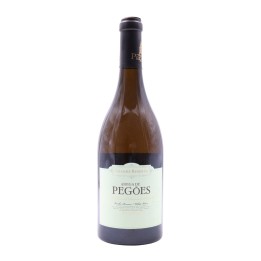
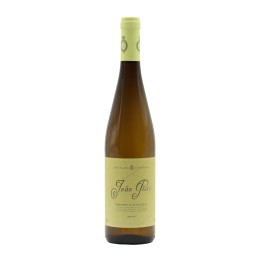
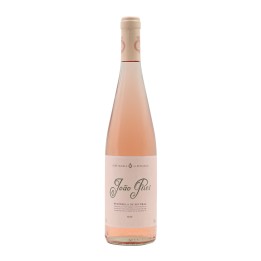
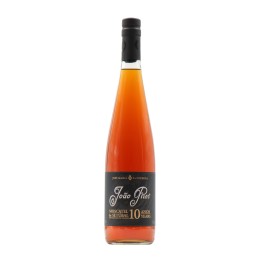
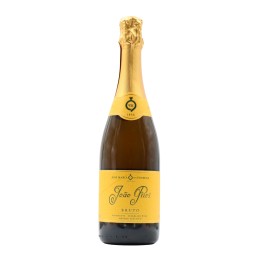
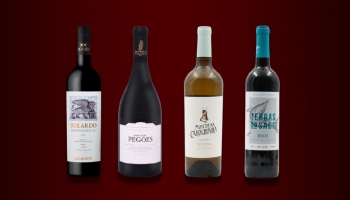
Some of the releases at these producers should be emphasized, namely the Adega de Pegões Grand Reserves, the historic João Pires brand, now in sparkling, rosé and 10-year-old Moscatel versions, always based on the grape variety that defines this brand and the region, the Moscatel de Setúbal. At Bacalhôa, the highlight is the release of the top-of-the-range Berardo Reserva Familiar and Quinta da Bacalhôa Centenárium and the entry-level Santa Sara.
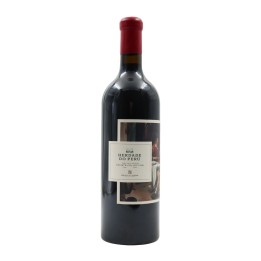
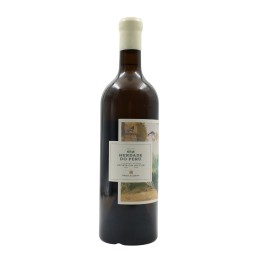
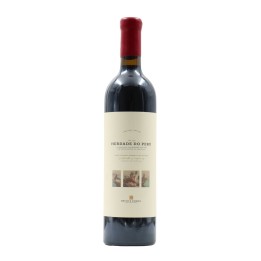
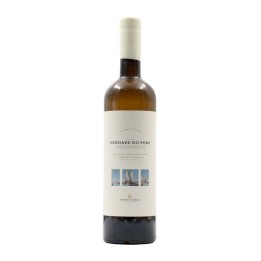
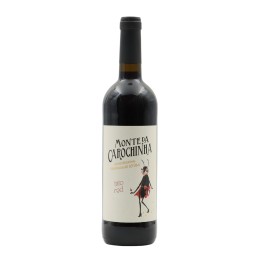
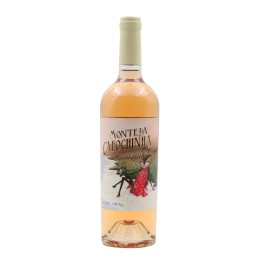
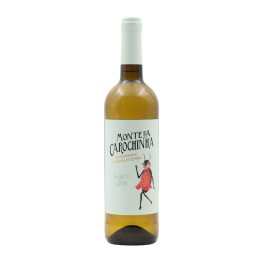
However, the region is more than these four operators and some projects with a tradition in the market have opted for differentiation and the creation of estate wines, such as the two new producers in store, Monte da Carochinha and Herdade do Perú.
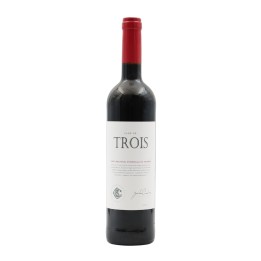
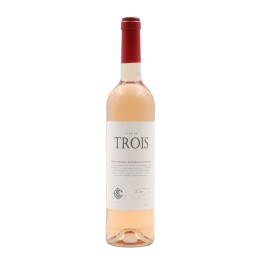
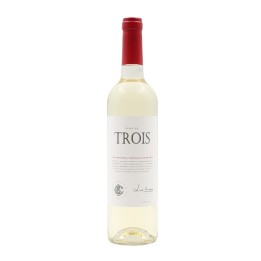
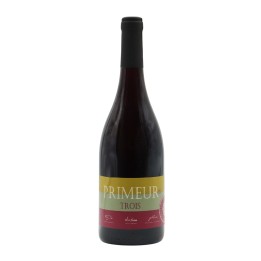
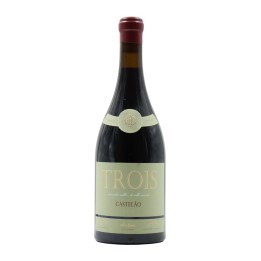
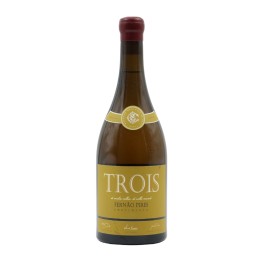
Other projects take advantage of the region's tradition, the old vines of Castelão, and create wines in which this grape variety, which became famous with the Periquita wine, shows its full potential in the bottle, either to drink now or to wait for some evolution in the bottle. This is the case of the Trois project, which brings together the new generation of reference producers, Quinta do Piloto, Casa Horácio Simões and Quinta Brejinho da Costa.
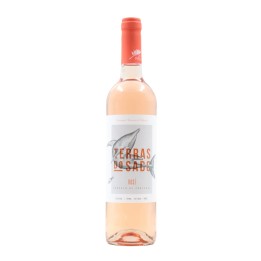
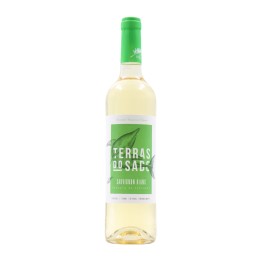
We end the news with the release of the Terras do Sado brand by Sociedade Vinícola de Palmela, wines with a modern profile at very attractive prices if you look for day to day consume wines.
The Setúbal region is part of several microclimates that allow for the production of very different wines, and if for some they look like Lisbon and for others Alentejo, in reality Setúbal has a very distinctive character and it will probably be Lisbon or Alentejo that sometimes look like Setúbal.