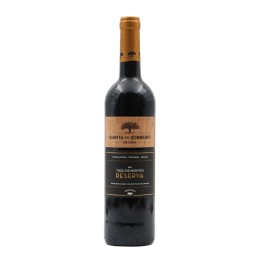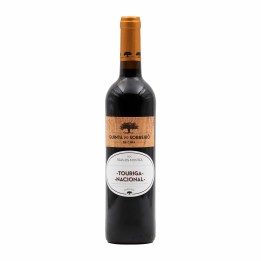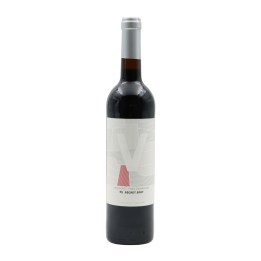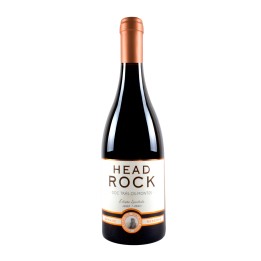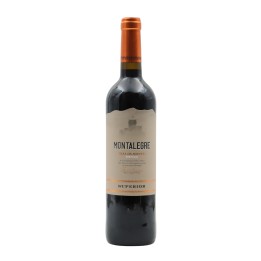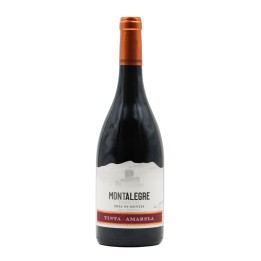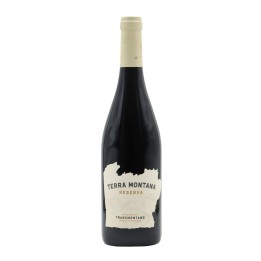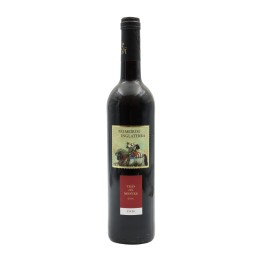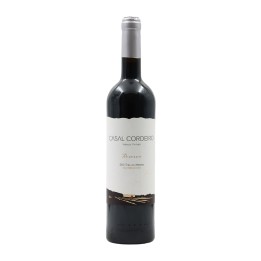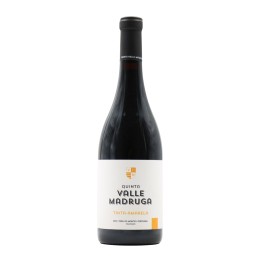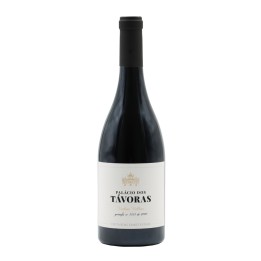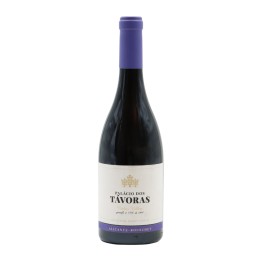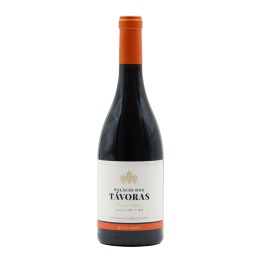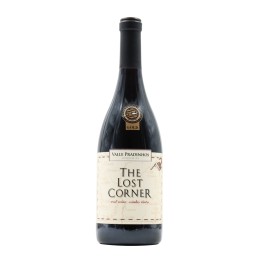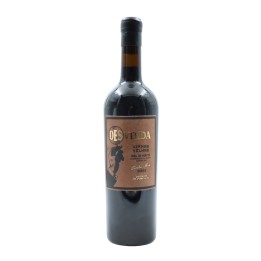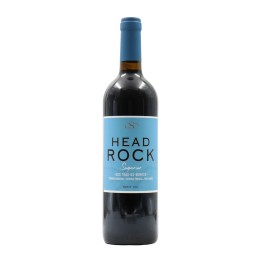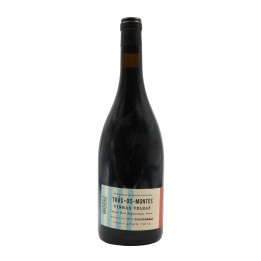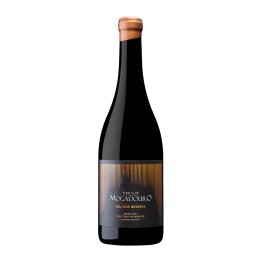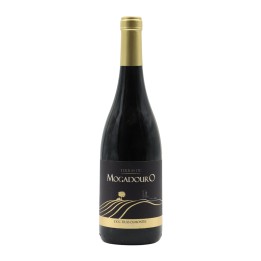
There is a region in Portugal that is rich in old vineyards, almost always at high altitude. It is a region that is still relatively unknown, but one that deserves our full attention. We are, of course, talking about Trás-os-Montes.
Trás-os-Montes is a small, well-defined wine-growing region in the north-east of our country, bordering Spain and the Douro Demarcated Region. It is a remote and fascinating place, where nature fortunately still reigns supreme and the wine-growing tradition is very old. However, despite this legacy, the demarcation of Trás-os-Montes as a DO for wines is recent.
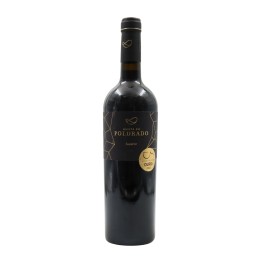
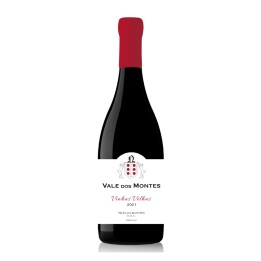
The region mainly produces red wines, with whites accounting for only 1/3 of all wine produced. So today we will focus on the reds! The main grape varieties used for their production are Tinta-Amarela, Bastardo, Touriga-Nacional and Tinta-Roriz.
These are well-made wines, generally full-bodied and intense, but with a rustic profile that gives them a very special personality. Some criticise them for being very similar to their Douro neighbours, but for us this is not a defect, but a virtue.
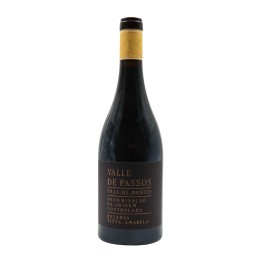
We suggest the expressive single varietals of Tinta Amarela: Mont'alegre, Valle Madruga and Valle de Passos. This grape variety, very typical of the region, has a lot of life and vigour that must be understood and shaped. Harvested at the right time, we see its characteristics transferred to the wine: smoothness, youthfulness and stubbornness. A wine that stands out for its elegance and persistence.
With exceptional conditions for wine production, Trás-os-Montes has everything it takes to become a star among Portuguese wines, so let's talk about them and give them the recognition they deserve.