

Product details
Winemaking:
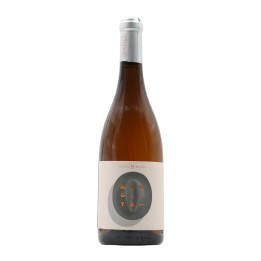
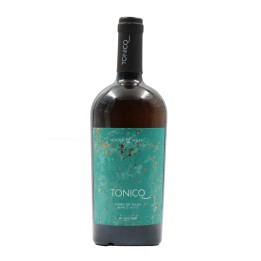
The process of producing carved wine is an ancient Roman system of making wine, where the carving, or clay pot, has a dual purpose, the production and storage of wine. In other words, the wine is made and stored in the same container. Nowadays, in the process of making wine in a carving, the grapes are poured into a small hopper which is coupled with a crusher/destemmer. The grapes are destemmed and crushed, and with the help of a pump, the grapes and juice are transported into the carvings, where fermentation will take place. For 3 to 4 weeks, the period of time during which fermentation takes place, the masses, also called rafts, rise to the surface of the hoist, and the hoists have to be stirred. This is the reassembly operation, which consists of mixing the must with the grape skins and pips, so that the solid part is immersed in the liquid part. Once fermentation is complete, the skins and pips slowly fall to the bottom of the hoist, forming a compact blanket known as the mother. Its main function is to naturally filter the wine so that it is ready to drink when it leaves the carving by gravity through a hole at the bottom. In order to be certified as DOP Alentejo, carved wine must remain with the ‘mother’ in the carving until St Martin's Day of the harvest year (11 November).
The process of producing carved wine is an ancient Roman system of making wine, where the carving, or clay pot, has a dual purpose, the production and storage of wine. In other words, the wine is made and stored in the same container. Nowadays, in the process of making wine in a carving, the grapes are poured into a small hopper which is coupled with a crusher/destemmer. The grapes are destemmed and crushed, and with the help of a pump, the grapes and juice are transported into the carvings, where fermentation will take place. For 3 to 4 weeks, the period of time during which fermentation takes place, the masses, also called rafts, rise to the surface of the hoist, and the hoists have to be stirred. This is the reassembly operation, which consists of mixing the must with the grape skins and pips, so that the solid part is immersed in the liquid part. Once fermentation is complete, the skins and pips slowly fall to the bottom of the hoist, forming a compact blanket known as the mother. Its main function is to naturally filter the wine so that it is ready to drink when it leaves the carving by gravity through a hole at the bottom. In order to be certified as DOP Alentejo, carved wine must remain with the ‘mother’ in the carving until St Martin's Day of the harvest year (11 November).
Grape Varieties:
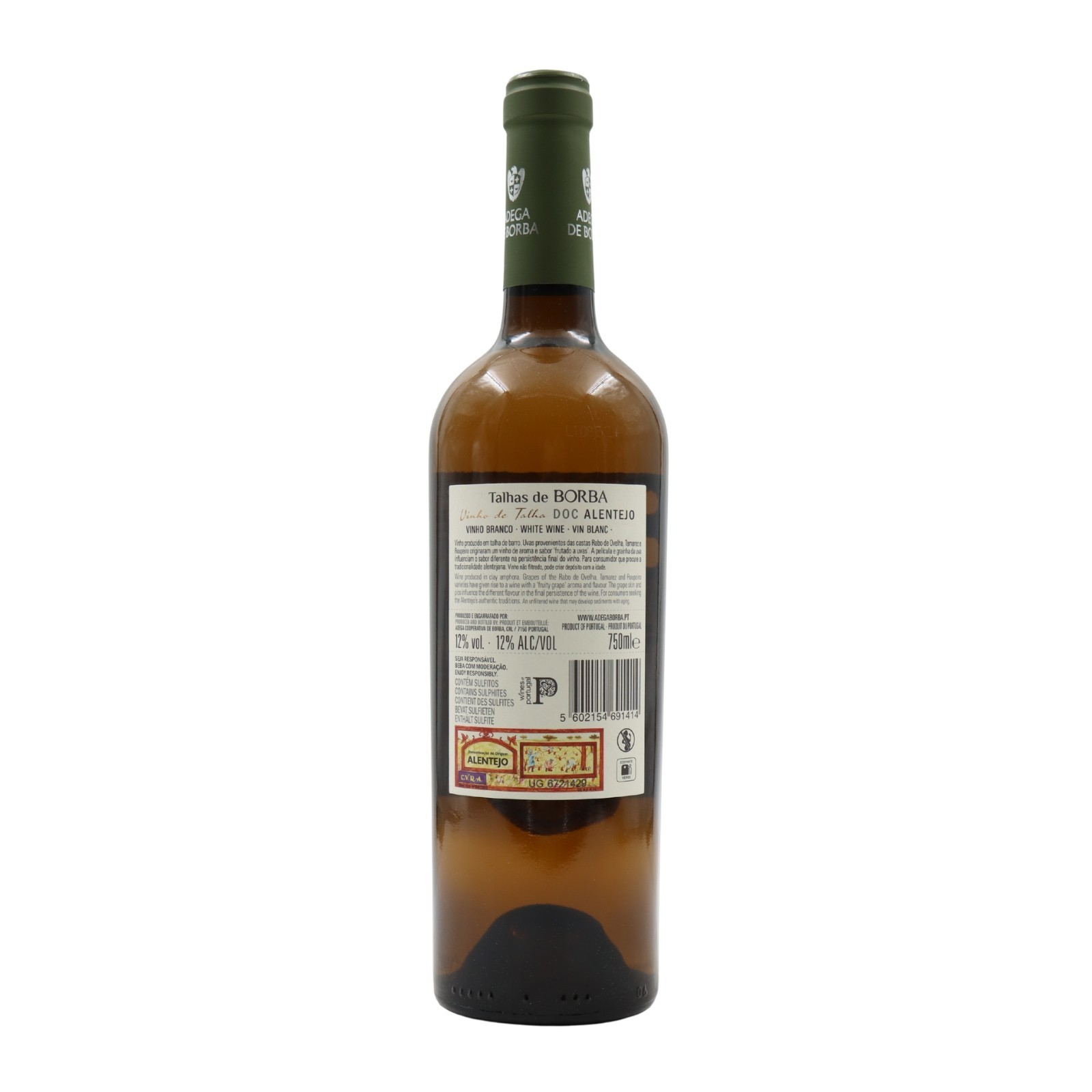
Rabo de Ovelha,Trincadeira das Pratas,Roupeiro
Tasting Notes:
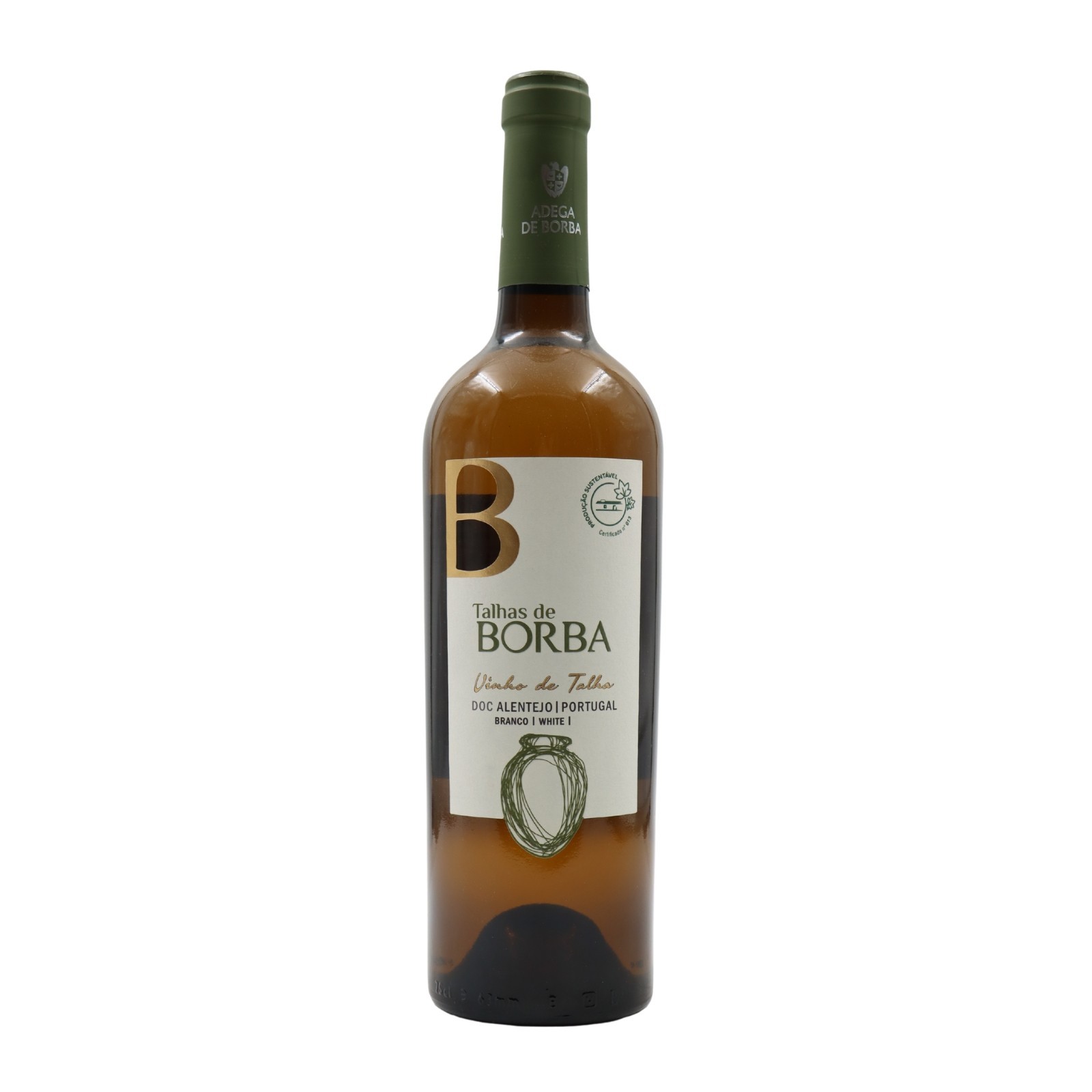
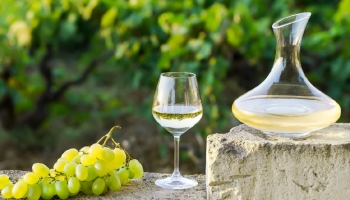
Ripe lemon colour. A ‘grapey’ aroma and flavour, fruity with quince, with a smooth harmony on the palate. A wine with a ‘grapey’ flavour.
Store and Serve Advices:
Serve at a temperature of 12-14ºC. This wine should be drunk immediately.
Food Pairing:
To accompany appetisers and gastronomic dishes typical of the Alentejo region.
Allergens:
Contains sulphites.
Disclaimer:
This product does not contain any outer box and it's sold as presented on the pictures. If you have any specific instructions, please contact our customer service team and we will do our best to fulfill your request.
Your review appreciation cannot be sent