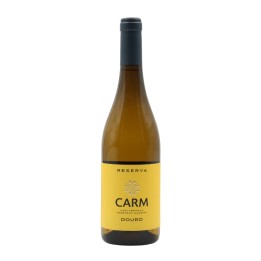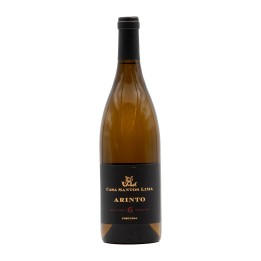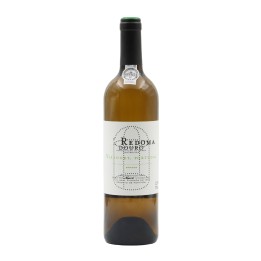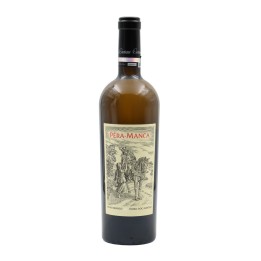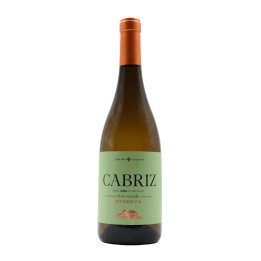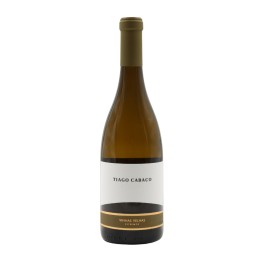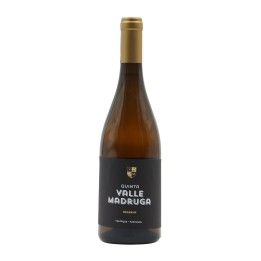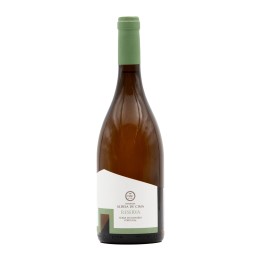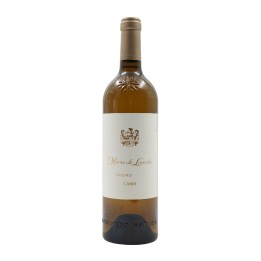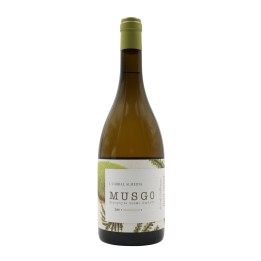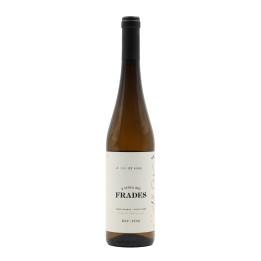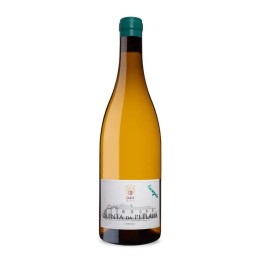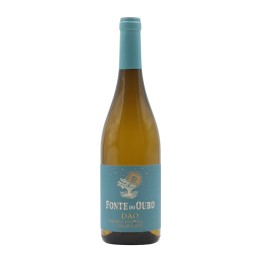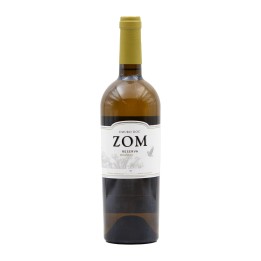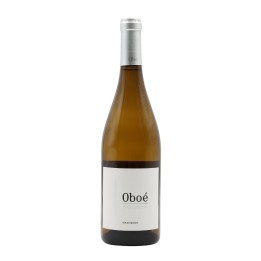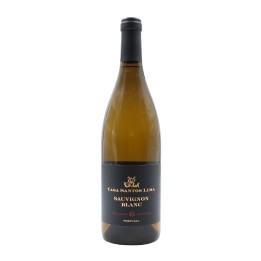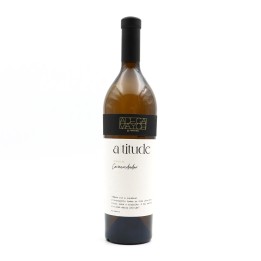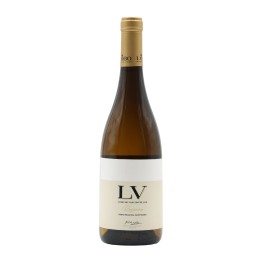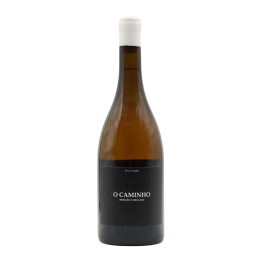
The topic of oak-aged white wines is divisive, but the short answer is: yes, when there is balance.
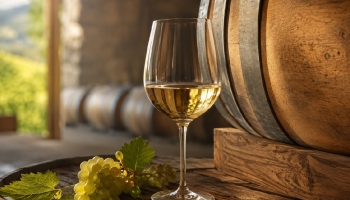
Oak aging is not meant to “transform” a white wine, but rather to add texture, complexity, and aging potential. When done well, it can bring notes of vanilla, light toast, gentle spice, and a creamier mouthfeel, without masking the fruit or freshness of the wine.
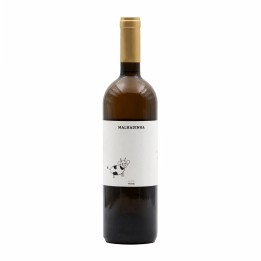
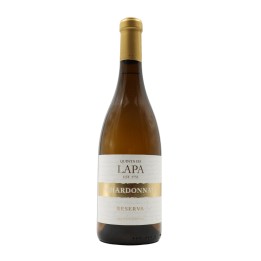
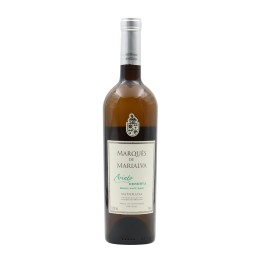
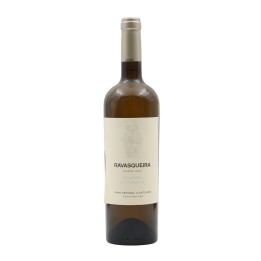
In Portugal, there are excellent examples, especially with grape varieties such as Encruzado, Arinto, and Alvarinho, where the natural structure of the wine can handle the influence of oak. In these cases, the result can be a more gastronomic white, ideal for richer dishes such as roasted fish, poultry, or oven-baked meals.
The problem arises when oak is excessive or poorly integrated. In those cases, the wine loses its identity, becoming heavy, tiring, and dominated by aromas that overshadow the fruit and sense of origin. This is often where consumers develop a resistance to the style.
On the other hand, unoaked white wines remain essential: more direct, fresh, and focused on the pure expression of the grape and terroir. They are not better or worse, just different styles.
Ultimately, the question should not be “oak or no oak?”, but rather “is there balance?”. When there is, oak aging can elevate a white wine to another level.