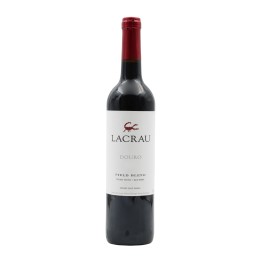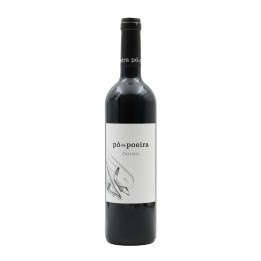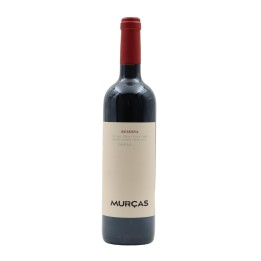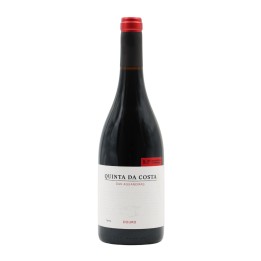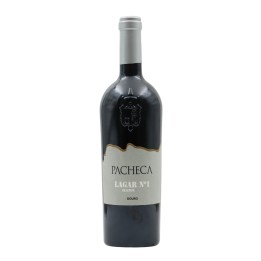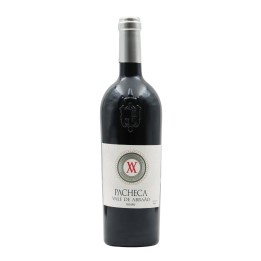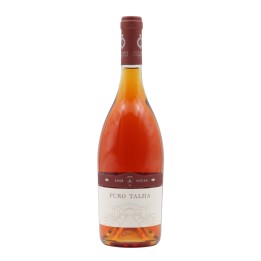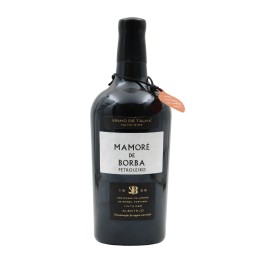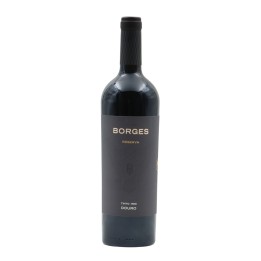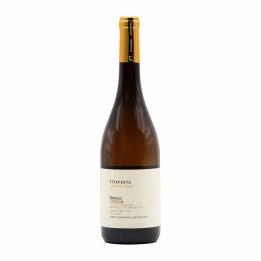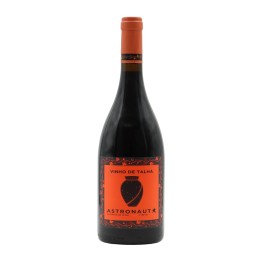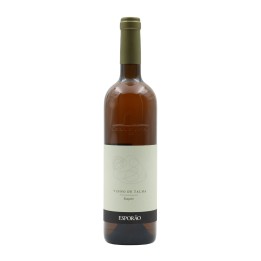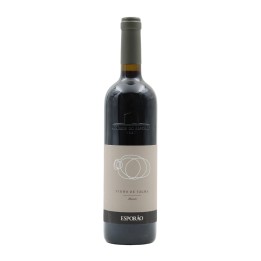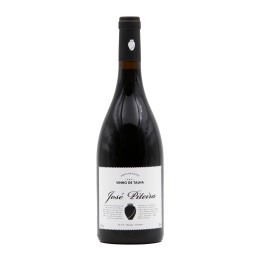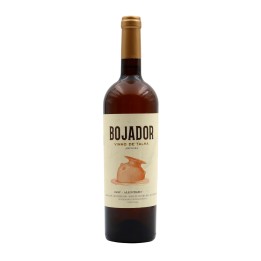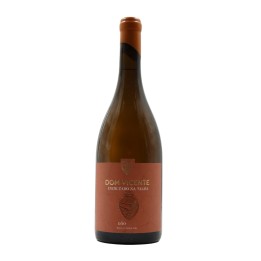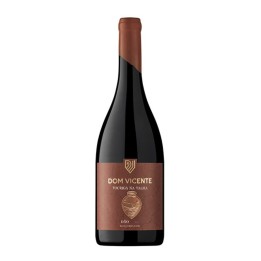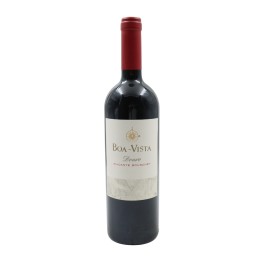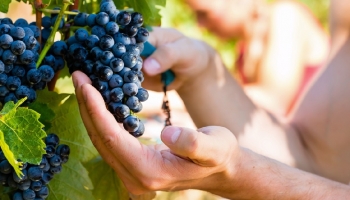
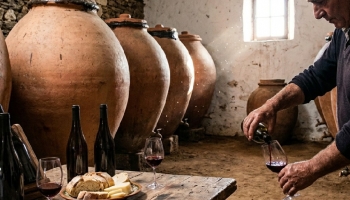
There is something almost timeless about wine. Perhaps that is why, in the 21st century, with cutting-edge technology and highly controlled processes, so many Portuguese producers are looking back, not out of nostalgia, but in search of authenticity. The return to wines made in Amphorae is one of the most fascinating examples of this journey into the past that is shaping the present.
In the heart of the Alentejo, the talhas — large clay amphorae — are coming back to life after decades of neglect. This method, inherited from the Romans, follows a simple principle: letting nature take its course. The grapes are placed in the talhas, where they ferment with their skins, with minimal intervention. The result? Wines with texture, depth and an identity that is difficult to replicate using modern methods.
At the same time, other traditions are being revived. In the Douro, some are returning to treading by foot in granite wine presses, valuing gentle extraction and direct contact with the grapes. In various regions, less interventionist practices are gaining ground, reflecting a growing desire to respect the terroir and reduce chemical intervention.
Interestingly, this return to the past is not a step backwards, it is an evolution.
For those who taste them, the experience is different. These are wines that carry with them centuries of tradition, embraced imperfections and a certain unpredictability that makes them unique.
In an increasingly fast-paced world, perhaps that is what makes these wines so special: their ability to connect us to time, not to what passes quickly, but to what remains.