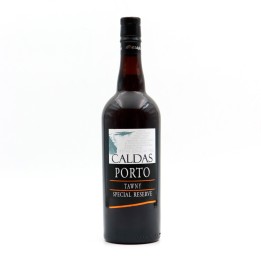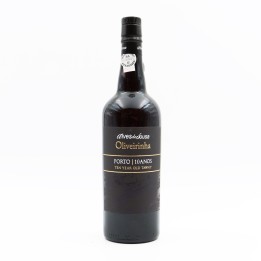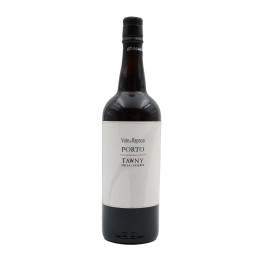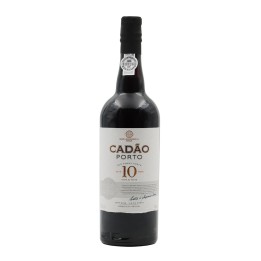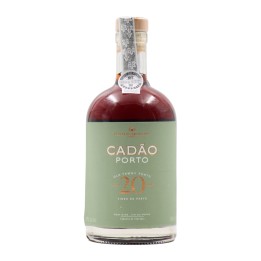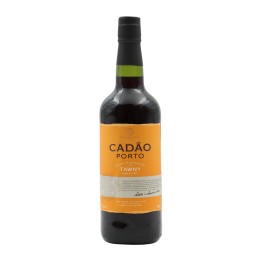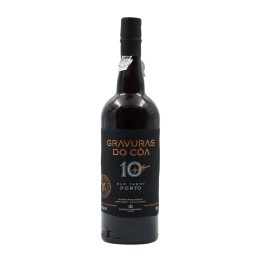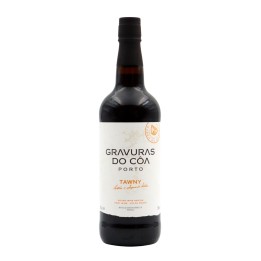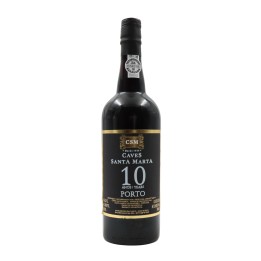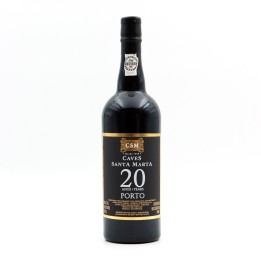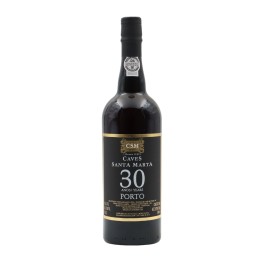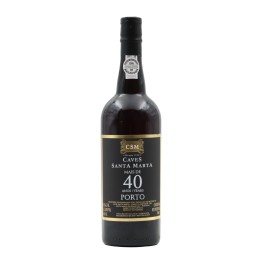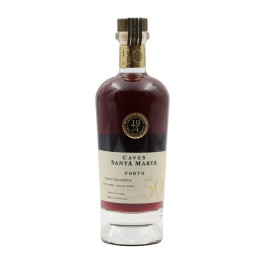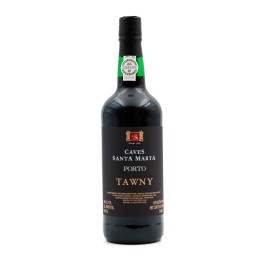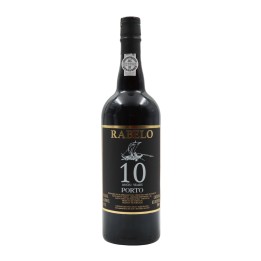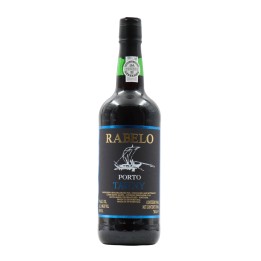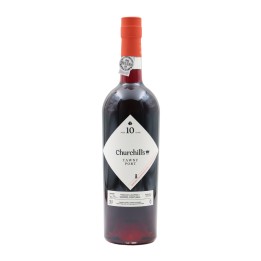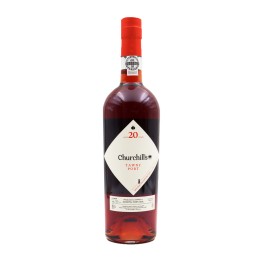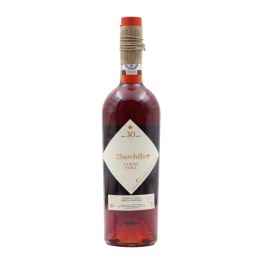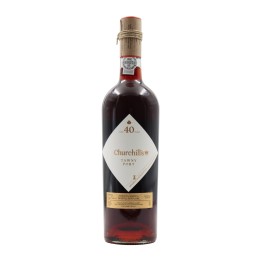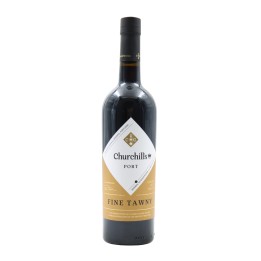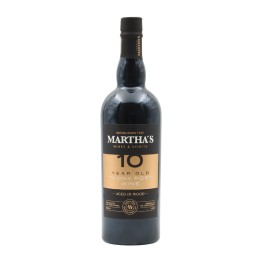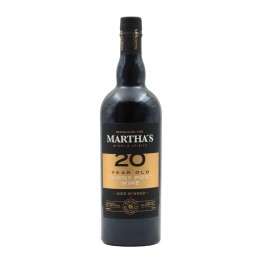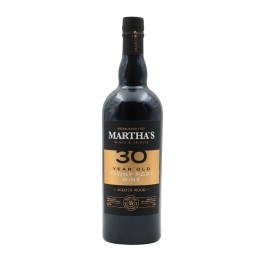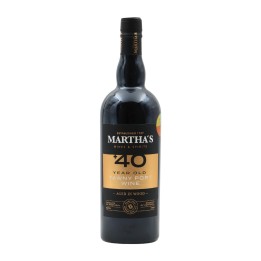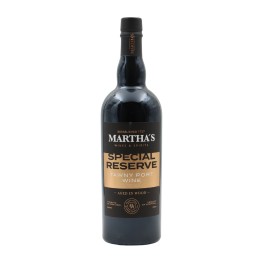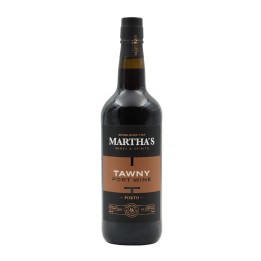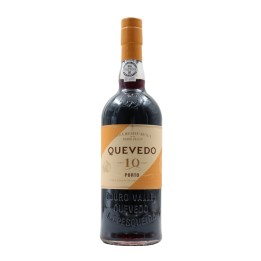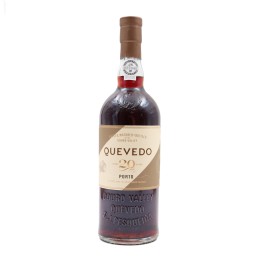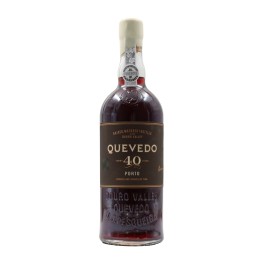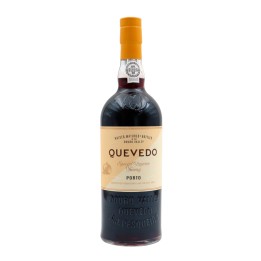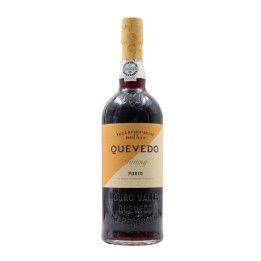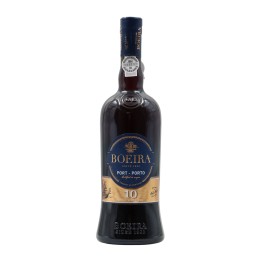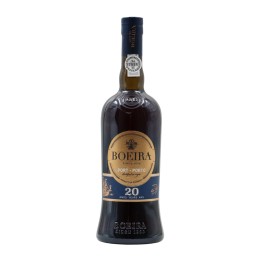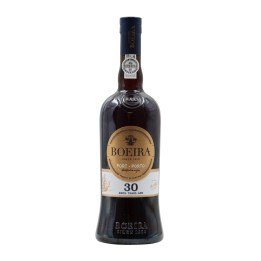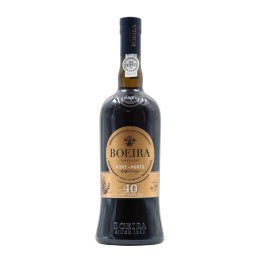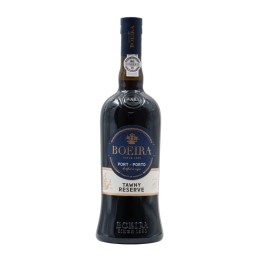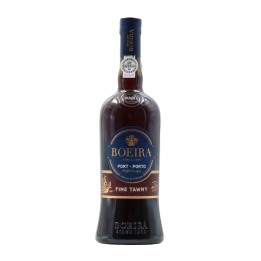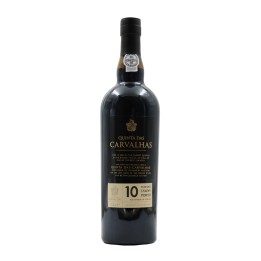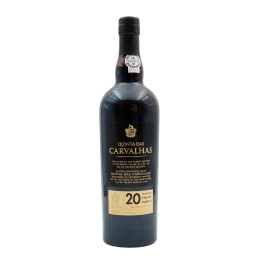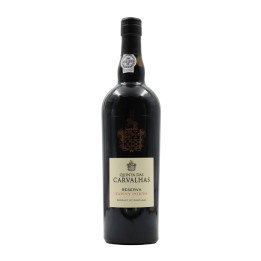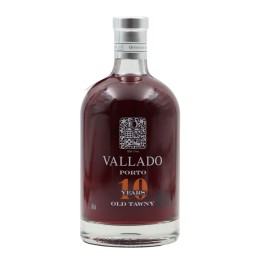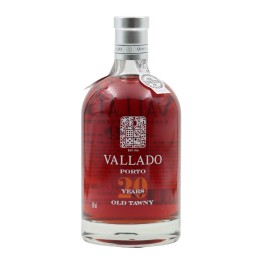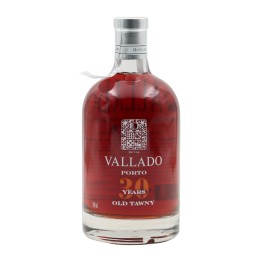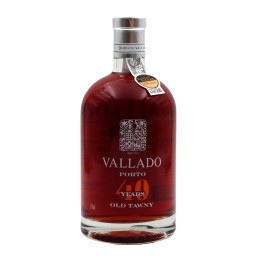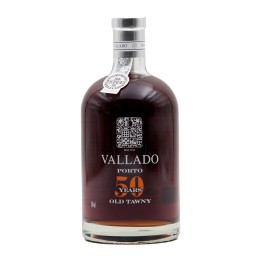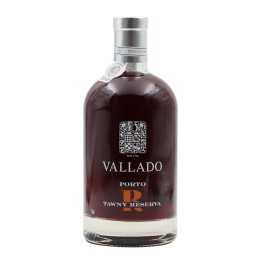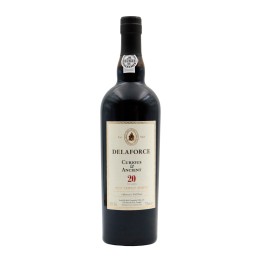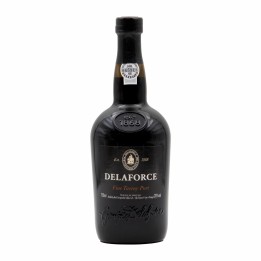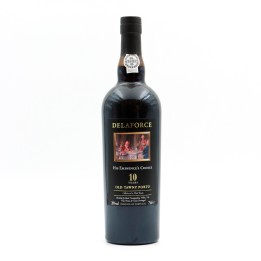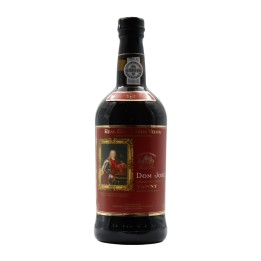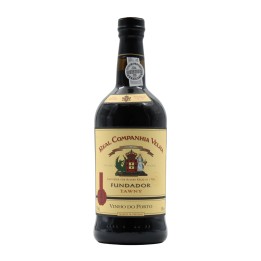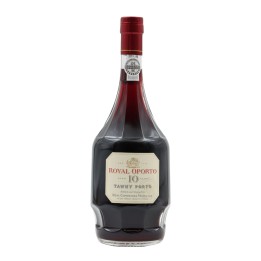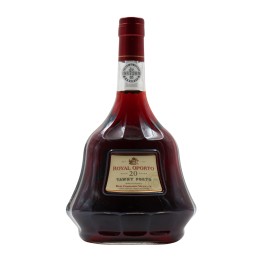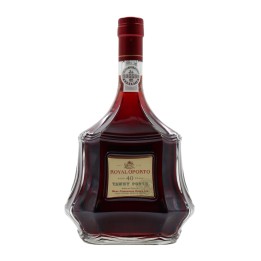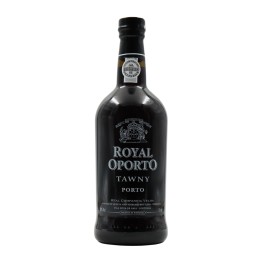

Tawny Ports are associated with cold weather and the image of a glass of old tawny by a fireplace is comforting.
In terms of tawny ports, there are various options according to the length of time they are aged in casks, knowing that this style of port is aged in large wooden casks, hence its brown color, the result of the oxidation it acquires over time.
If you prefer less evolved Ports with more fruit, then you should start with young tawnies, usually bottled with around 3 years of ageing, or a reserve tawny with around 5 years.
If you prefer all the tertiary flavors that this style of Port gains from the time in wood, then you can go for aged tawny, a blend of several harvest years, where the average age of the batches or the style of Port you want is shown.
There are producers who follow the rule to the letter and for a 10, 20, 30, 40 or 50 year old Port, they build the blend with several lots of old wines for an average of the desired year. Although the Port wine institute's chamber of tasters validates the lots by the appearance and characteristics of the wine and whether it fits in with the style of wine that the producer proposes to label.
Basically, the aim is for the label to indicate the style of wine intended, knowing that in order to do so, the producer must use his stocks of old wines to achieve that style.
Perhaps that's why there's such a wide disparity in prices on the market, especially for top category tawnies, since it all comes down to the age of the wines used to make up the blend.
There are also some differences in the wine profile between the ones from a single estate and those from the big Port producers, mostly because it’s sourced in just one estate and the available wine in stock to make up the blends is far lower.
It's up to you to decide on your style and on the complexity of your Tawny Port. To help you decide, we've picked out the best promotions for this style of Port.