

Product details
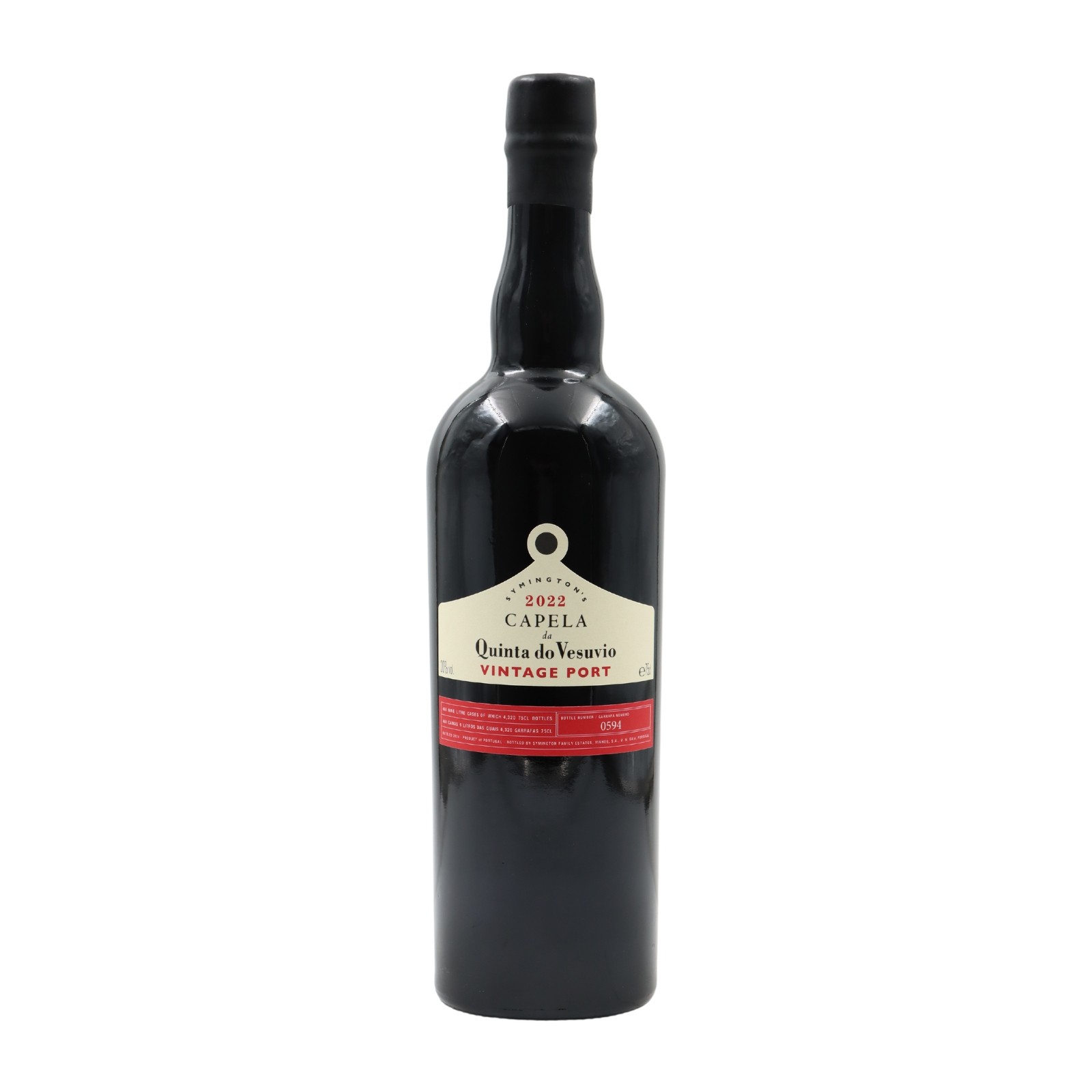
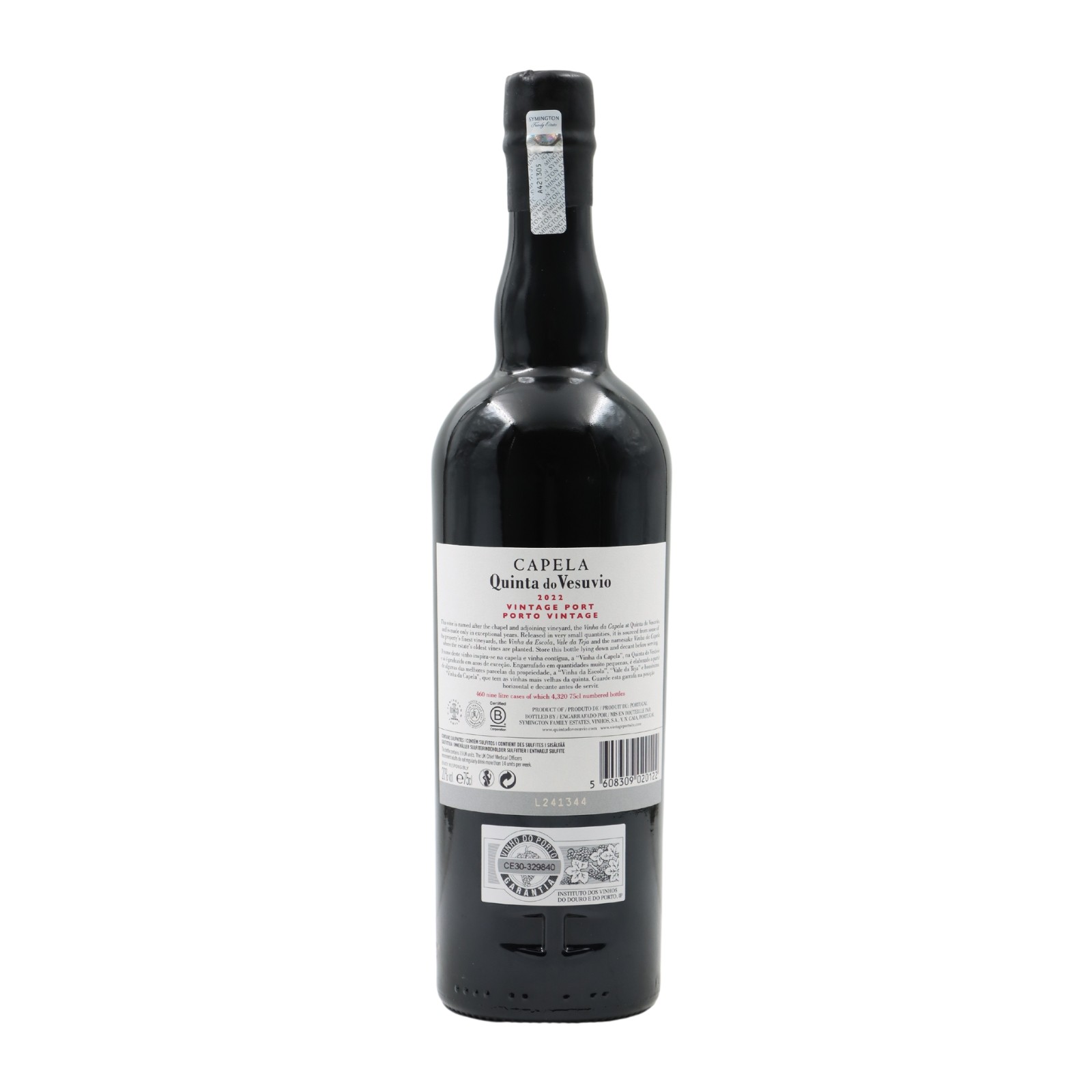
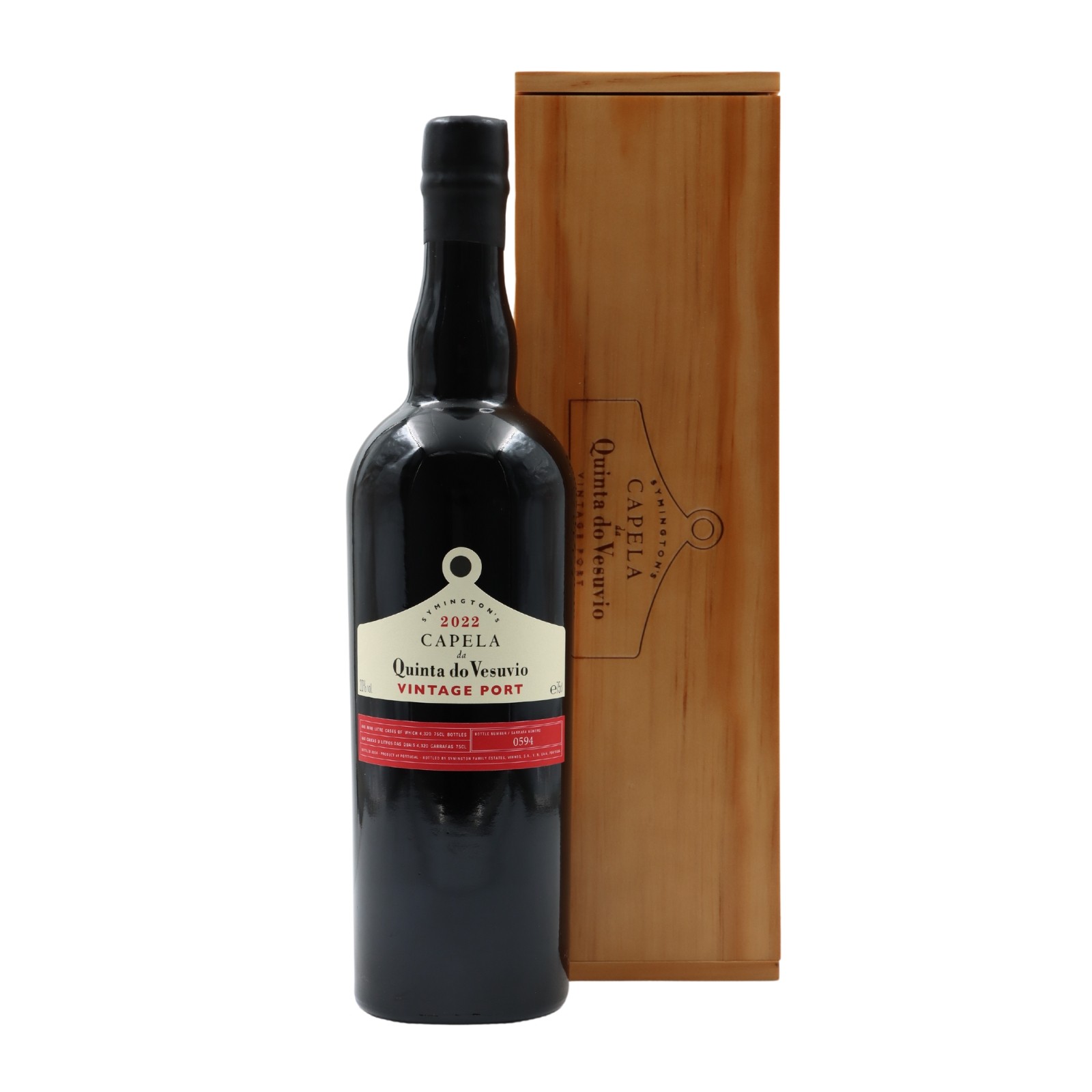
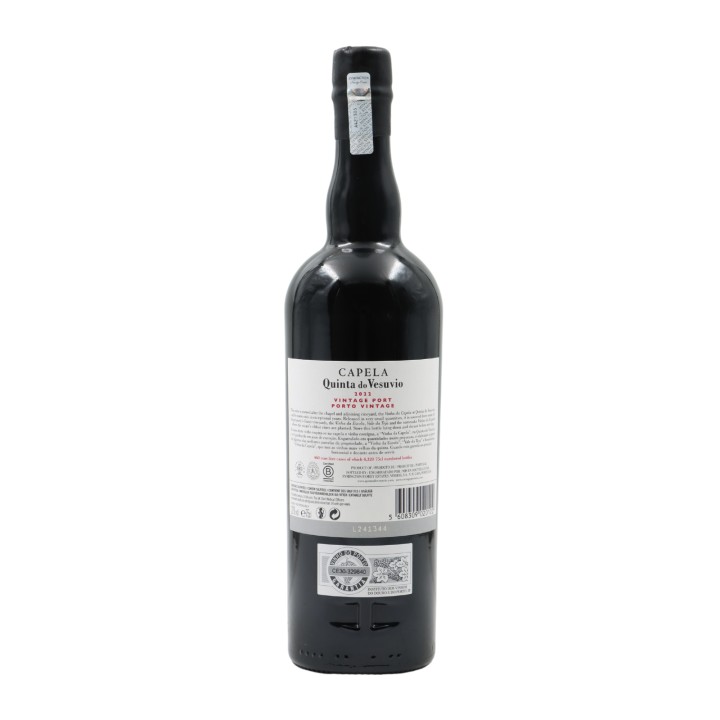
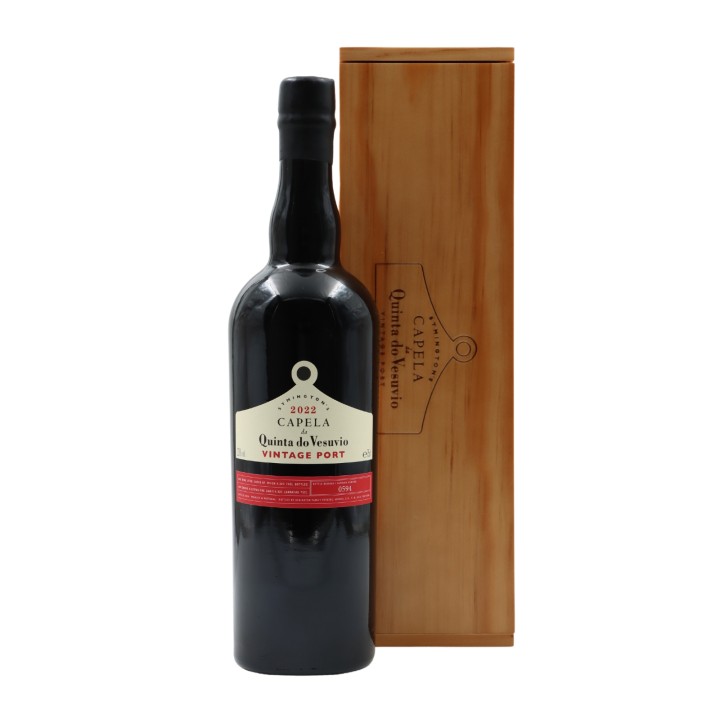
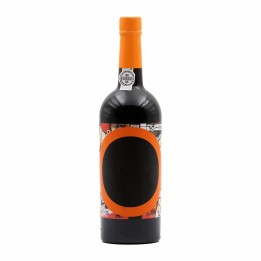
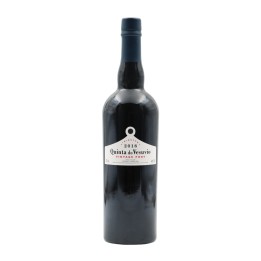
Capela do Vesúvio’s name is inspired by the property’s beautiful chapel and the neighboring vineyard of the same name. Vinha da Capela was one of the first to be replanted after the phylloxera plague at the end of the 19th century and only four terraces of this original plot remain. Vinha da Capela — the first component of this batch — is made up of vines with a mixture of grape varieties around 100 years old, which were successively replanted with original canes to preserve their unique characteristics. The second component is Vinha da Escola, at the base of the central valley, in a sheltered, water-accumulating spot, flanked by steep slopes that provide desirable shade in the torrid summer months. The third component comes from the half-century-old Touriga Franca plantations in the Teja Valley. With well-developed roots, which fetch water deep in the soil, these vines are well adapted to the hot and dry conditions at Quinta do Vesúvio.
Grape Varieties:
Touriga Nacional,Touriga Franca,Sousão,Alicante Bouschet
Tasting Notes:
Capela do Vesúvio has aromas of schist dust with notes of rosemary and rockrose that evoke especially well the central valley of Vesúvio, where one of the vineyards comprising this plot is located – Vinha da Escola. It is compact and voluminous with grainy, peppery tannins and a powerful, taut structure. It has great intensity and freshness and a long aftertaste with notes of tea and tobacco.
Store and Serve Advices:
Should be opened two hours before serving and decanted. Serve between 17º and 18º C. Store the bottle on its side, in a cool, dry and dark place.
Food Pairing:
Vintage Ports are after meal drinks. Take them with cheese like Stilton or Gorgonzola. But you can also incorporate them into a meal, combining for instance a Steak au Poivre with a young Vintage.
Allergens:
Contains sulphites.
Reviews and Awards:
. 98 points in Revista de Vinhos.
Disclaimer:
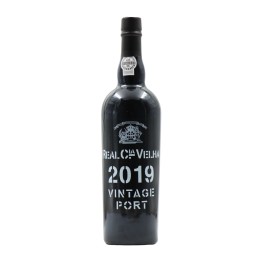
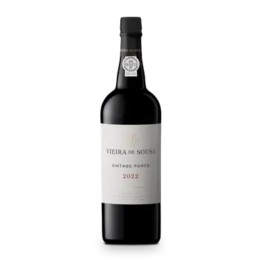
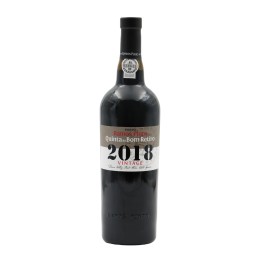
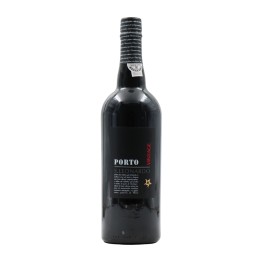
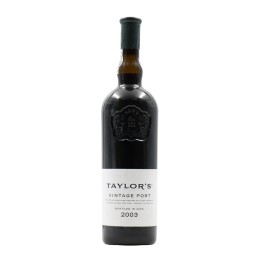
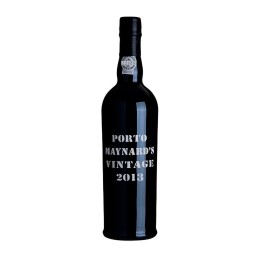
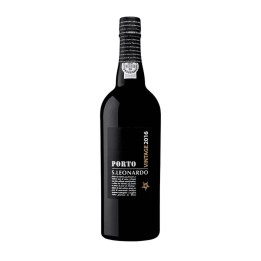
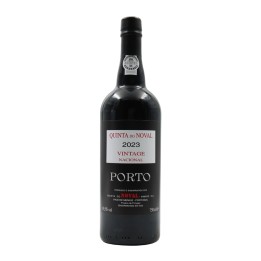
The photo shown is a copy of one of the bottles we have available for delivery. Keep in mind that the older the wine, the more likely the bottle will have some external dirt or slightly damaged labels. This does not mean, however, that the wine is not in a condition to be consumed.
The wines from our rarity zone are stored and air-conditioned in the most correct way so that the wine ages correctly in the bottle, but over time, the wine evolves and changes its characteristics.
We recommend that you carefully remove the cork and let the wine air for some time in order to release its natural aromas. Avoid decanting as it can be a very aggressive operation for old wines.
Your review appreciation cannot be sent