

Product details
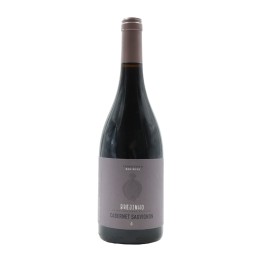
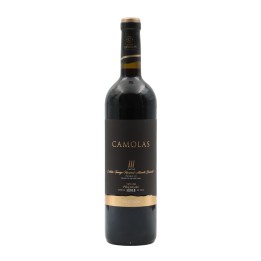
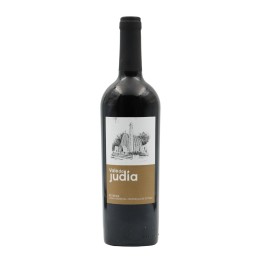
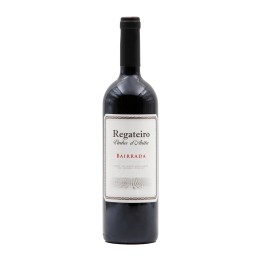
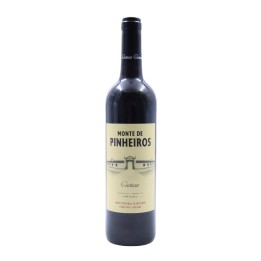
The grape varieties chosen on the estate, a Cabernet Sauvignon and a Merlot benefit from the natural conditions to allow a slow and balanced maturation. The primary fermentation takes place at a controlled temperature (25°C), followed by a period of ‘cuvaison' (skin maceration post-fermentation) of three weeks. After careful selection, and following numerous tastings and testing, the final lot was produced having aged for 11 months in new French oak casks.
Grape Varieties:
Cabernet Sauvignon
Tasting Notes:
Aromas of red fruits combined with nuances of wood and spices. In the mouth, the red fruit flavours are intensified and combined with smooth tannins; it has a fresh finish, somewhat mineral, elegant and very complex.
Store and Serve Advices:
Serving temperature at 16-18°C.
Food Pairing:
To be dished up with game dishes and red meats.
Allergens:
Contains sulphites.
Disclaimer:
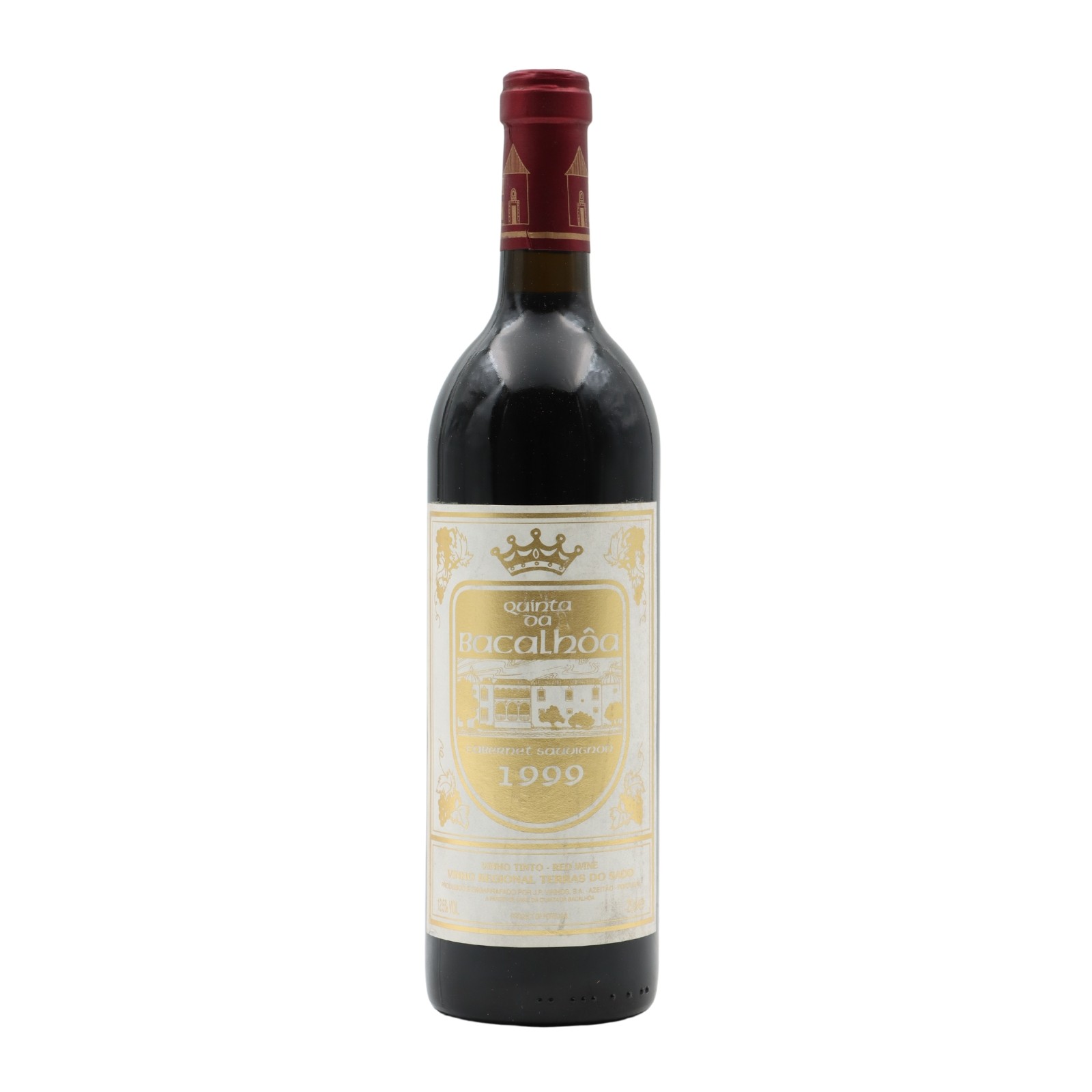
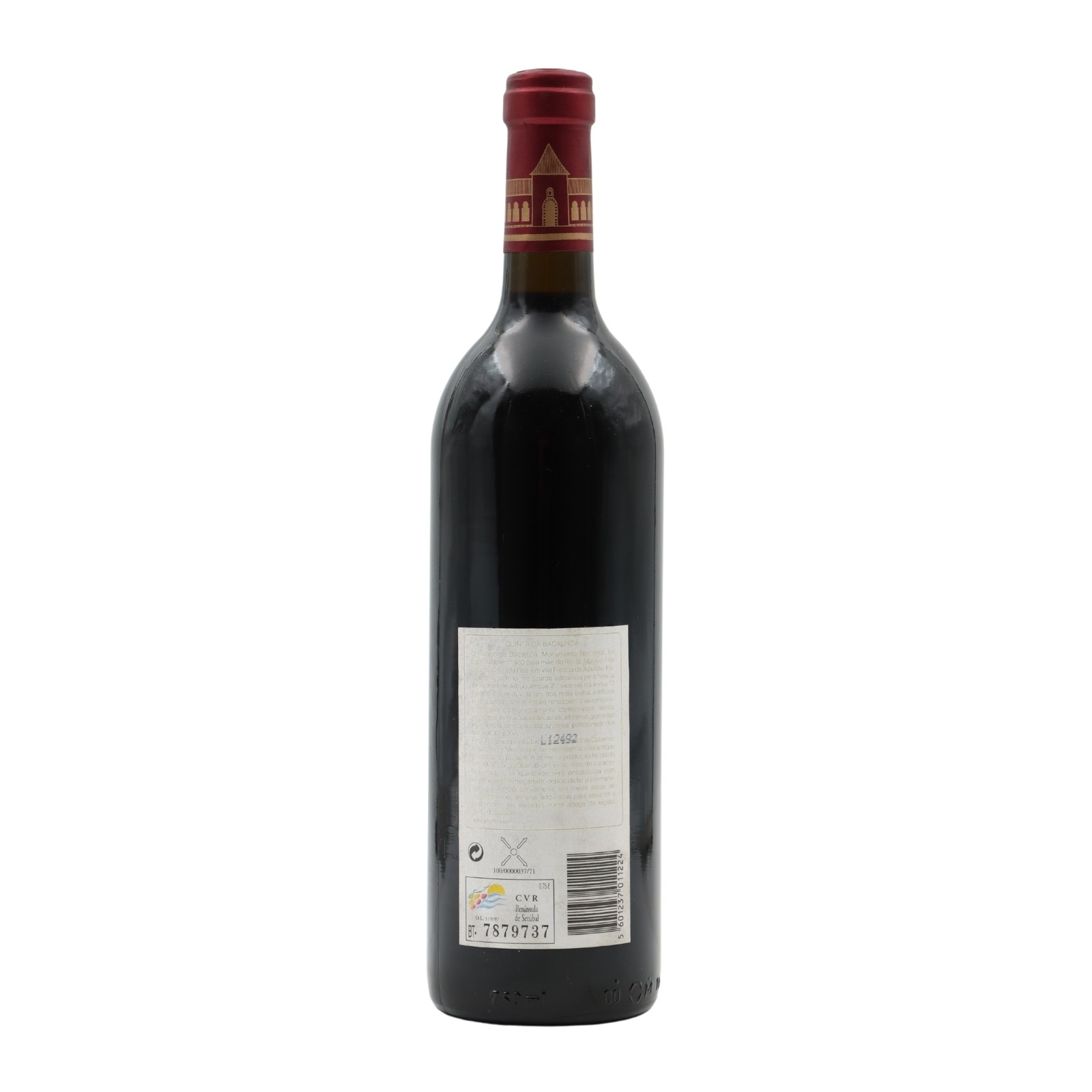
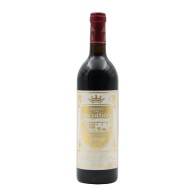
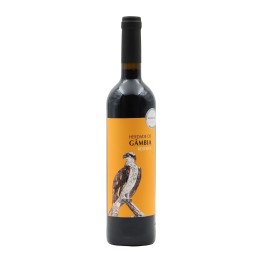
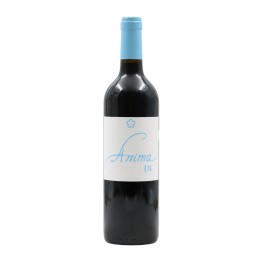
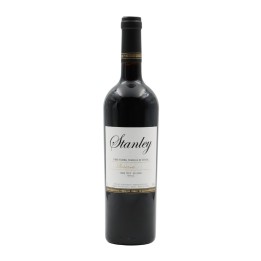
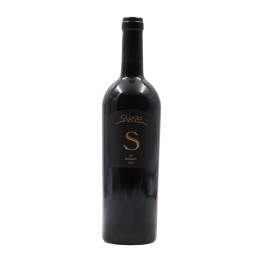
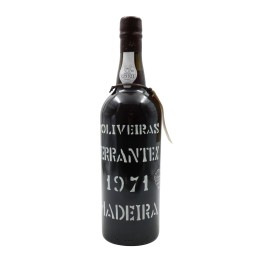
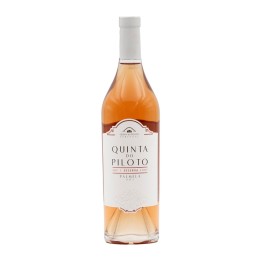
The photo shown is a copy of one of the bottles we have available for delivery. Keep in mind that the older the wine, the more likely the bottle will have some external dirt or slightly damaged labels. This does not mean, however, that the wine is not in a condition to be consumed.
The wines from our rarity zone are stored and air-conditioned in the most correct way so that the wine ages correctly in the bottle, but over time, the wine evolves and changes its characteristics.
We recommend that you carefully remove the cork and let the wine air for some time in order to release its natural aromas. Avoid decanting as it can be a very aggressive operation for old wines.
Your review appreciation cannot be sent