

Product details
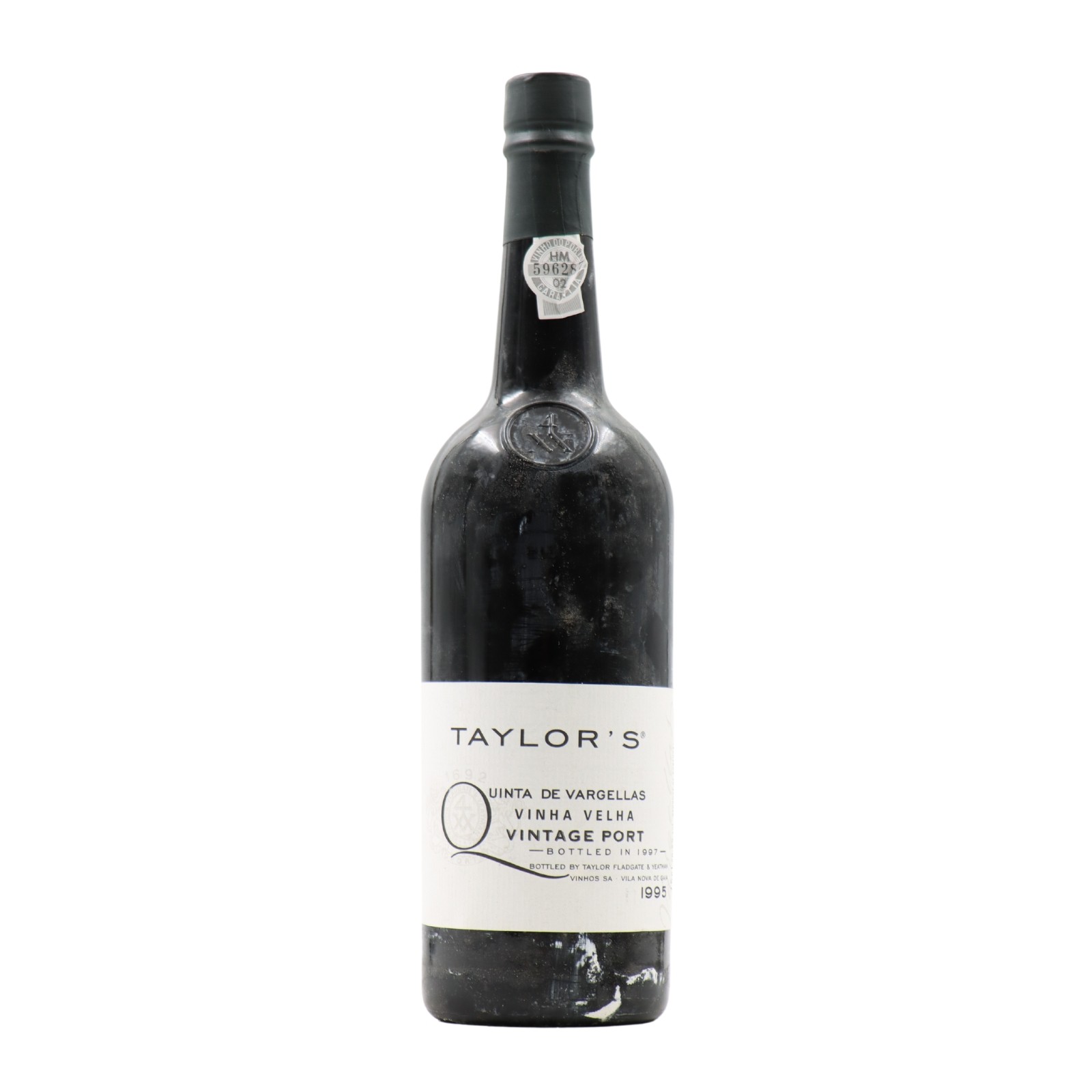
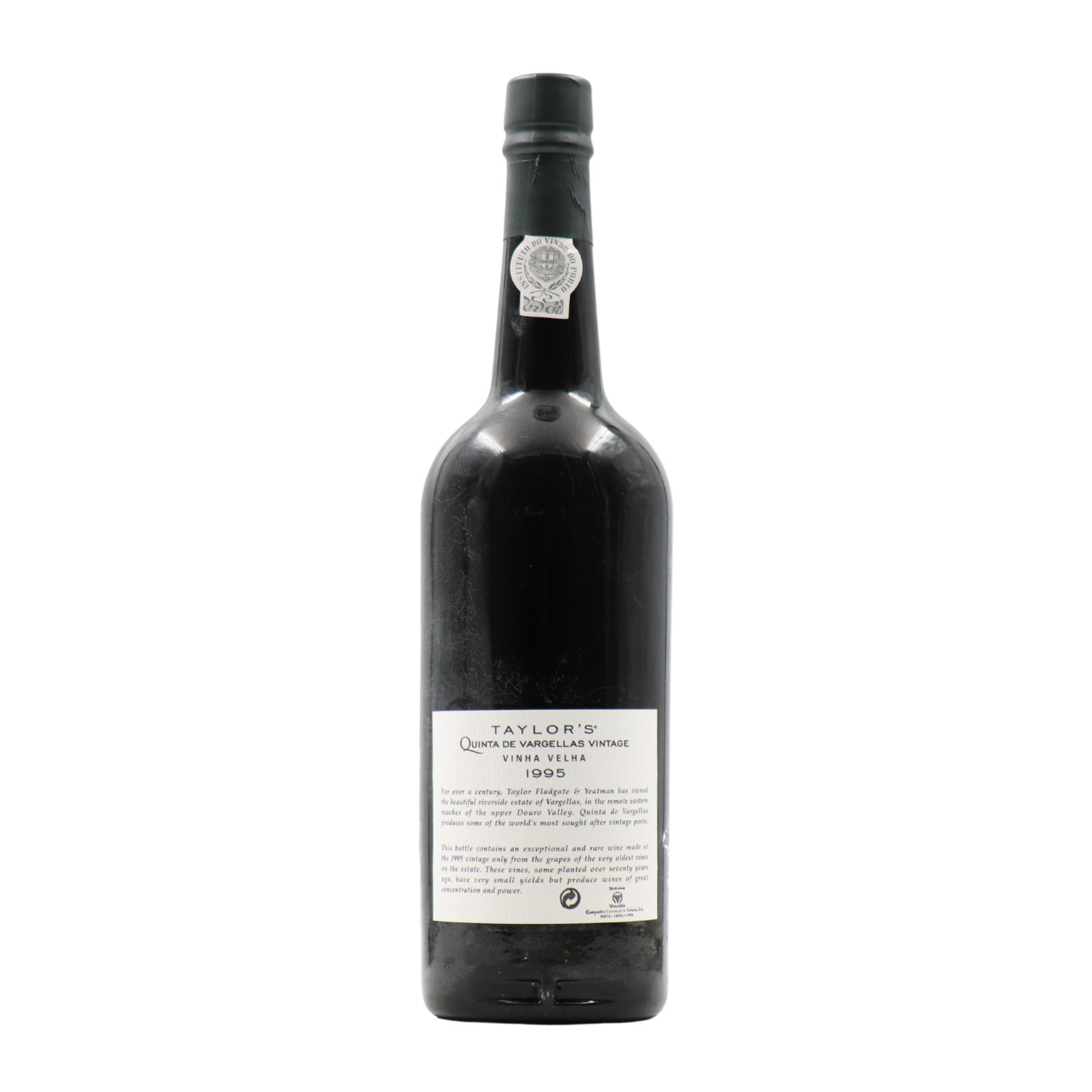
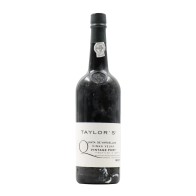
The terraced plots containing the oldest vines on the property account for over 15% of the estate’s total production. The Vargellas Vinha Velha vintage port represents a very limited selection of the production of these old vines and seldom accounts for more than about 2% of the total production of the property. The Vargellas Vinha Velha is selected from four individual plots of old vineyard: Polverínho, Renova do Depósito, Renova do Armazém, Gricha. The age of the old vines on these plots varies from around 80 to 120 years. Each plot, which is harvested individually, produces wine with its own distinct character and contains a wide selection of grape varieties in which no one variety predominates. The exception is the Polverinho vineyard, which was the site of the first single-variety batch planting experiments in 1927 by Taylor partner Dick Yeatman, whose pioneering work underpins the firm’s thorough understanding of the classic Douro grape varieties. Vargellas Vinha Velha may well be the most elusive and collectible of all Vintage Ports.
Grape Varieties:
Traditional grape varieties
Tasting Notes:
Deep ruby, turning brick-coloured at the halo. Ripe and greedy character, covered in notes of exotic herbs and flowers. Full fruit with dense chocolate, plums and hints of liquorice. Firm finish.
Store and Serve Advices:
Should be opened two hours before serving and decanted. Serve between 17º and 18º C. Store the bottle on its side in a cool, dry and dark place.
Food Pairing:
Drink with cheeses such as Stilton or Gorgonzola. But you can also incorporate them into a meal, for example by pairing a Steak au Poivre with a young Vintage.
Allergens:
Contains sulphites.
Reviews and Awards:
. 97 points in Wine Enthusiast Magazine;
. 96 points in Revista de Vinhos;
. 95 points in Wine Spectator Magazine;
. 93 points in CellarTracker;
. 89 points in Wine & Spirits Magazine.
Disclaimer:
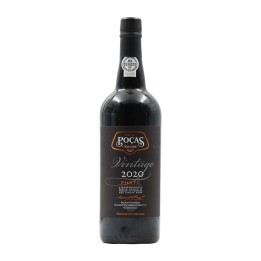
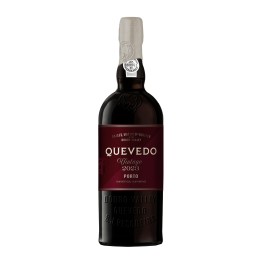
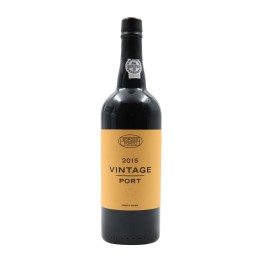
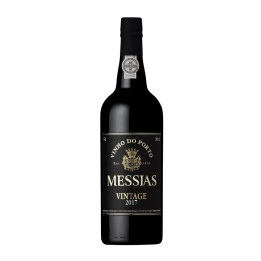
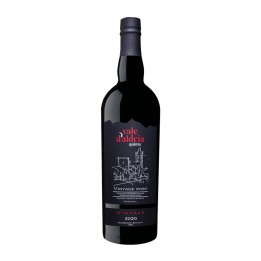
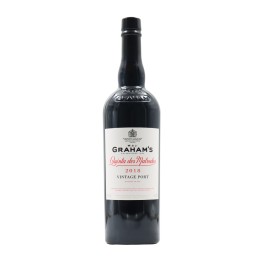
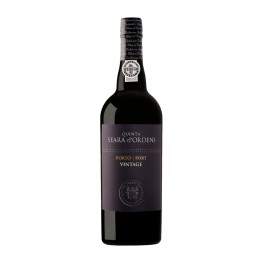
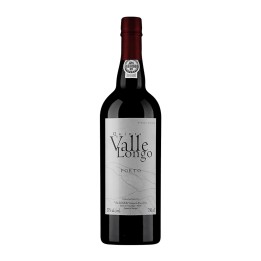
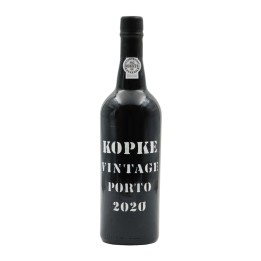
The photo shown is a copy of one of the bottles we have available for delivery. Keep in mind that the older the wine, the more likely the bottle will have some external dirt or slightly damaged labels. This does not mean, however, that the wine is not in a condition to be consumed.
The wines from our rarity zone are stored and air-conditioned in the most correct way so that the wine ages correctly in the bottle, but over time, the wine evolves and changes its characteristics.
We recommend that you carefully remove the cork and let the wine air for some time in order to release its natural aromas. Avoid decanting as it can be a very aggressive operation for old wines.
Your review appreciation cannot be sent