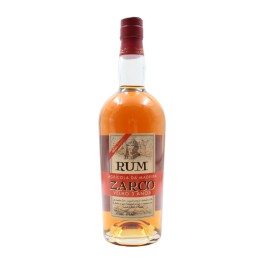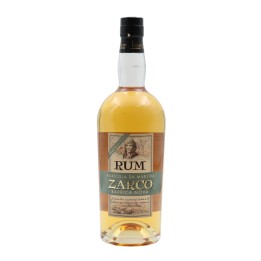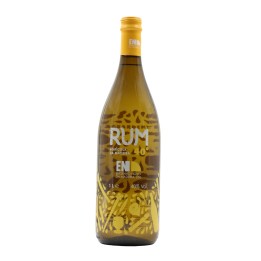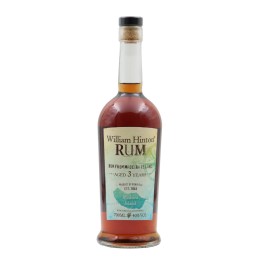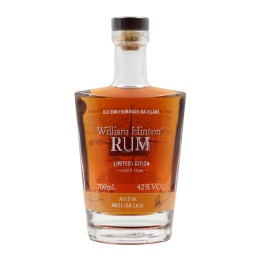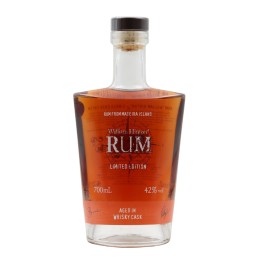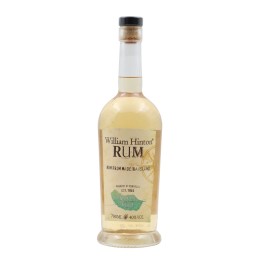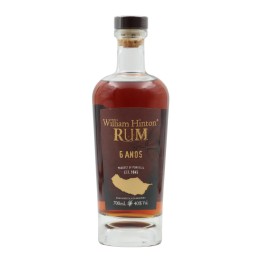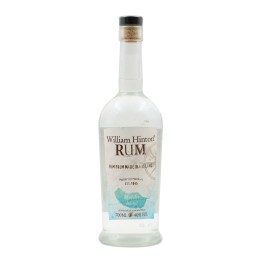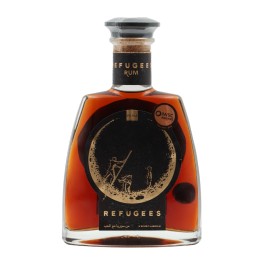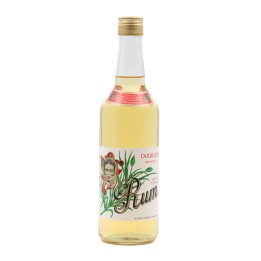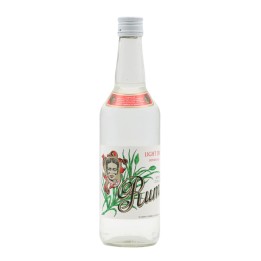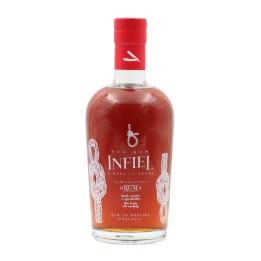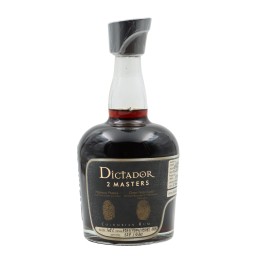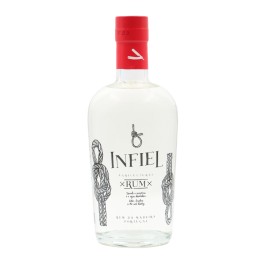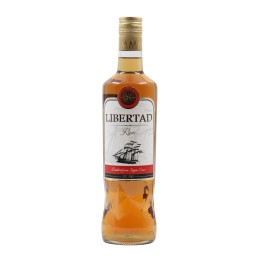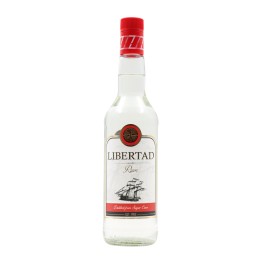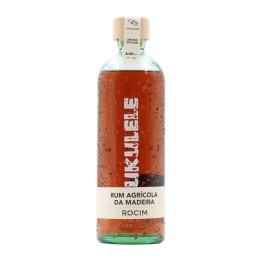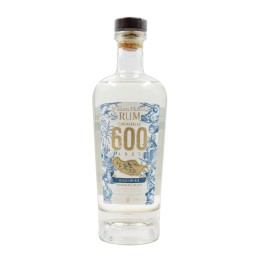

Rum is one of the most misunderstood spirits. For years, it has been associated with tropical cocktails and sweet flavours, but that image is far from the truth. In fact, it is a diverse category full of surprises.
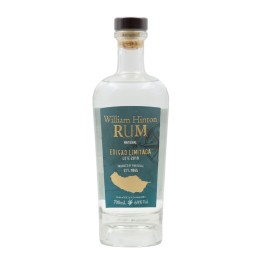
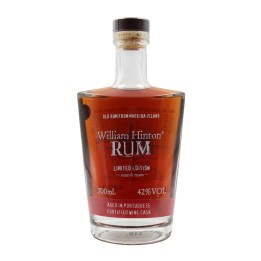
One of the most common myths is that ‘rum is always sweet’. The confusion stems from the fact that many commercial rums add sugar or are naturally sweeter due to ageing in tropical climates. However, there are dry, complex and even quite intense rums, with profiles ranging from vegetal and earthy notes to deep spices and toasted wood, as is the case with some Madeira rums, known for their purer, less sweet style. Just as with wine or whisky, the flavour depends greatly on the production method, the raw materials and the length of ageing.
Another common misconception is that rum is “only good for cocktails”. Although drinks such as mojitos or daiquiris have helped to popularise it, many aged rums are made to be enjoyed neat, just like a good whisky or cognac.
There are also those who think that all rum is the same, differing only in colour. In reality, the differences go far beyond appearance: from the use of molasses or sugarcane juice to the type of cask, every choice influences the final result.
Demystifying rum is to open the door to a world richer than it appears at first glance. Whether in a well-made cocktail or enjoyed neat, there is always something new to discover; you just need to look beyond preconceptions.